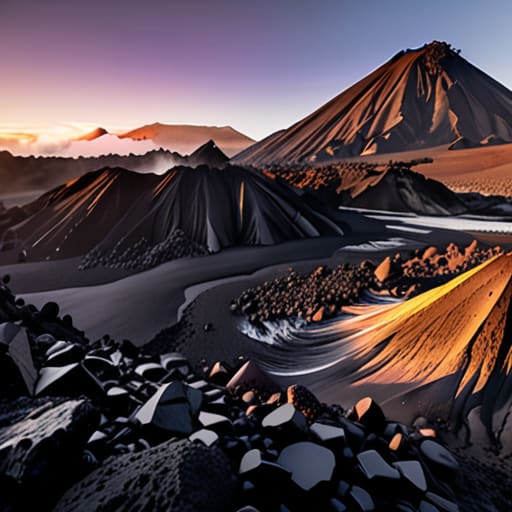
I remember sitting on a jagged outcrop in Iceland last autumn, my fingers numb and my old Leica camera feeling heavy in my hands, watching the steam rise from a fissure in the earth. Most travel brochures will try to sell you on the “spectacular power” and “unbridled fury” of volcanic landscapes, using words that feel more like marketing jargon than actual reality. They make it sound like a high-octane adventure you need to conquer, but they miss the point entirely. To me, the real magic isn’t in the explosion; it’s in the heavy, sulfurous scent of the air and the way the blackened earth feels incredibly solid beneath your boots, reminding you that the world is much older and more patient than we are.
I’m not here to give you a checklist of the most “Instagrammable” spots or tell you which expensive tours are worth your hard-earned money. Instead, I want to share what I’ve learned from walking these paths slowly and looking at them through a lens of quiet observation. I’ll guide you through the practicalities of navigating these rugged terrains and, more importantly, how to actually sit still long enough to appreciate the profound stillness that these ancient, fiery places offer.
Table of Contents
Tracing the Slow Dance of Tectonic Plate Activity
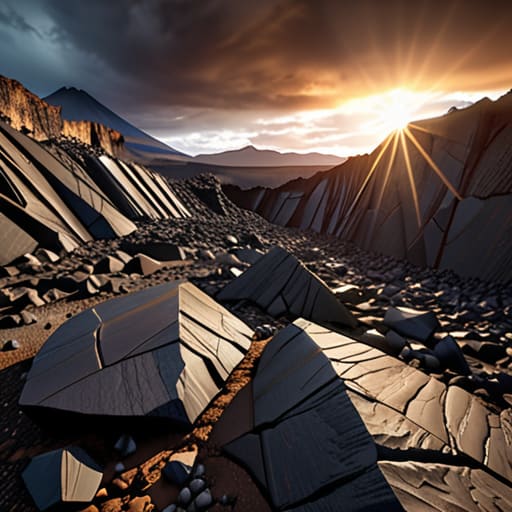
I found myself sitting on a basalt ledge yesterday, my notebook open, trying to make sense of the sheer scale of what lies beneath our feet. It’s easy to forget that the ground we walk on is essentially a moving puzzle. When you study the way these ridges fold and crack, you start to realize you’re looking at the slow-motion collision of worlds. This tectonic plate activity isn’t a sudden event, but a heavy, grinding process that takes eons to reshape a continent. It’s a humbling thought for an old engineer; we build things to last decades, yet these forces move with a patience that makes our greatest monuments look like sandcastles.
As I traced the edges of a particularly jagged outcrop, I couldn’t help but marvel at the intricate volcanic rock textures under my fingertips. Some sections were smooth and glass-like, while others were riddled with tiny bubbles, frozen in time from when they were once molten. These igneous rock formations serve as a permanent record of ancient heat, a physical memory of the earth’s restless interior. There is a profound peace in watching these slow cycles unfold, far removed from the frantic pace of the world I used to inhabit.
Finding Beauty in Jagged Igneous Rock Formations
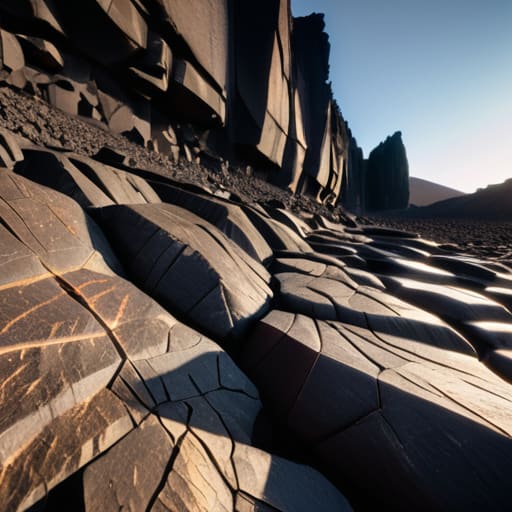
I found myself sitting on a weathered basalt ledge yesterday, my notebook resting on my knee, just watching how the light caught the edges of the stone. There is a rugged, almost violent honesty in these igneous rock formations that you don’t find in the rolling hills of the Midwest. When you get close enough, you realize these aren’t just grey lumps of stone; they are a complex map of a moment when the earth was liquid and restless. I spent a good hour just tracing the intricate volcanic rock textures, noting how the cooling process left behind these tiny, geometric patterns that look almost intentional, like something a craftsman might carve.
It’s easy to look at a mountain and see a monolith, but if you slow down, you see the history of the struggle. You can see where the pressure built and where the flow finally surrendered to the air. Seeing the way the magma and lava formations have cooled into these sharp, jagged teeth reminds me that even the most chaotic events eventually settle into something permanent and strangely beautiful. It’s a reminder that there is a profound, quiet dignity in the aftermath of a storm.
A Few Notes for the Slow Traveler
- Pack your sturdiest boots and leave the fancy footwear at home. Those volcanic paths aren’t just uneven; they’re often sharp, jagged, and unpredictable, much like the terrain that shaped my old engineering projects.
- Bring a good pair of binoculars, even if you aren’t a birdwatcher. Sometimes the most interesting things happen on a distant ridge or a far-off crater rim, and seeing them clearly makes the scale of the landscape truly sink in.
- Don’t forget to pack a small, sturdy notebook. I’ve found that trying to sketch the way the light hits a basalt column helps me understand its shape far better than a quick photo ever could.
- Watch the weather more closely than you think you need to. In these open, high-altitude landscapes, a clear blue sky can turn into a heavy mist or a biting wind before you’ve even finished your lunch.
- Respect the silence. There is a profound, heavy stillness in a volcanic field that feels almost sacred; try to move through it quietly, as if you’re a guest in a very old, very quiet house.
Lessons from the Earth's Slowest Rhythms
Don’t rush the view; the true character of a volcanic landscape reveals itself only when you stop moving and let your eyes settle on the small, textured details of the stone.
There is a profound sense of perspective to be found in realizing that the ground beneath us is shaped by forces that operate on a timescale far beyond our own frantic human schedules.
Whether it’s the starkness of a lava field or the curve of a crater, nature’s most rugged environments remind us that there is deep, quiet beauty to be found even in the most broken and weathered places.
The Weight of Deep Time
Looking out over a field of cooled lava, you realize that what we call a catastrophe was really just the earth taking a long, deep breath; it’s a humbling reminder that the world doesn’t move at our frantic pace, but at its own, magnificent rhythm.
Bernard Oyelaran
The Quiet After the Fire
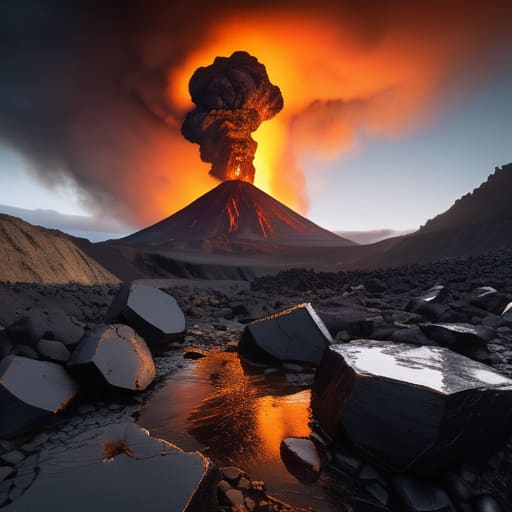
Looking back on the day, it is easy to get lost in the sheer scale of it all—the way the tectonic plates shift beneath our feet in a slow, rhythmic dance, or the way the light catches the sharp, unforgiving edges of a basalt column. We’ve looked at the mechanics of the earth and the striking geometry of the rock, but what truly stays with me is the realization that these landscapes are never truly finished. They are a testament to a process that operates on a timeline far beyond our own hurried lives, reminding us that creation often requires a period of intense, even violent, upheaval.
As I sit here by the window, sketching the way the shadows fall across the page, I’m struck by how much these scorched, ancient places have to teach us about our own pace. We spend so much of our lives trying to build things that last, yet the most magnificent views on this planet were born from destruction and cooling time. If you find yourself feeling overwhelmed by the rush of the modern world, I suggest you find a place where the earth feels old and heavy. Take a long walk, leave the phone in your pocket, and simply allow yourself to be small. There is a profound kind of peace to be found in realizing that the world has been turning, and reshaping itself, long before we arrived and will continue to do so long after we are gone.
Frequently Asked Questions
Is it possible to find a quiet, secluded spot near these active areas where one can sit and sketch without feeling the rush of crowds?
It is, though you won’t find those spots on a standard tourist map. Most people flock to the designated overlooks, chasing the perfect photo. If you’re willing to walk just twenty minutes off the main trail—usually toward the less dramatic basalt flows—the crowds thin out entirely. I’ve found that the best places to sketch are often just past the last signpost, where the only sound is the wind and the occasional crackle of cooling earth.
What kind of practical gear would you recommend for someone wanting to walk these rugged terrains without losing their footing or ruining their boots?
I’ve learned the hard way that fancy gear matters less than the right foundation. If you’re navigating loose ash or jagged basalt, skip the lightweight sneakers. Invest in a sturdy, high-ankle leather boot; you need that lateral support so you don’t roll an ankle on a hidden rock. I also swear by trekking poles. They aren’t just for old men like me—they act like a third leg when the ground feels like it’s shifting beneath you.
Are there specific times of day when the light hits these rock formations in a way that truly captures their character for a photograph?
If you’re looking to capture that true character, you really can’t beat the “golden hour”—that soft, honeyed light just before sunset. It skims across the ridges, casting long, dramatic shadows that give those jagged rocks a sense of depth you just don’t get at noon. I often find myself sitting with my notebook and my old Leica, waiting for that specific moment when the light turns warm and the textures finally seem to breathe.
