
I remember sitting in a drafty site trailer back in ’94, surrounded by blueprints and the relentless hum of a generator, waiting for a cup of something that actually tasted like life. Back then, coffee brewing wasn’t about measuring the precise mineral content of your water or owning a gadget that cost more than my first truck; it was about that first, honest steam hitting your face before the chaos of the day took hold. Nowadays, I see people getting so lost in the technical jargon and expensive scales that they forget the point entirely. They’ve turned a simple morning ritual into a high-stakes chemistry exam, and frankly, it’s exhausting to watch.
I’m not here to sell you a fancy new machine or tell you that you need a degree in thermodynamics to enjoy a decent cup. Instead, I want to share what I’ve learned from years of slow mornings and even slower travels: how to master the art of coffee brewing without losing your peace of mind. I’ll show you the straightforward, no-nonsense ways to get a rich, soulful brew using nothing more than common sense and a little bit of patience.
Table of Contents
Mastering Extraction Time and Temperature for Perfect Stillness
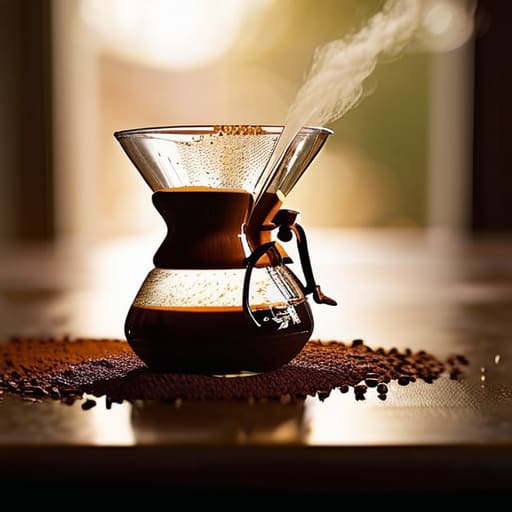
I’ve learned through years of tinkering with old mechanical parts that precision isn’t about being rigid; it’s about finding the sweet spot where everything clicks. When it comes to your morning cup, that sweet spot lies in the delicate balance of extraction time and temperature. If your water is scalding, you’ll pull out those harsh, bitter notes that strip the joy from the sip. But if it’s too cool, the brew feels thin and hollow, like a landscape lacking depth. I like to let my kettle sit for a minute or two after it whistles, letting the heat settle into something more gentle and inviting.
It’s a bit like sketching in my notebook—you can’t rush the lines if you want them to mean something. You have to pay attention to how the water interacts with the grounds. I often find that even a slight adjustment in the grind size importance can completely shift the coffee flavor profiles from a bright, citrusy morning wake-up to a deep, chocolatey comfort. It’s a slow dance of physics and patience, and honestly, watching it happen is half the pleasure.
The Gentle Dance of Grind Size Importance
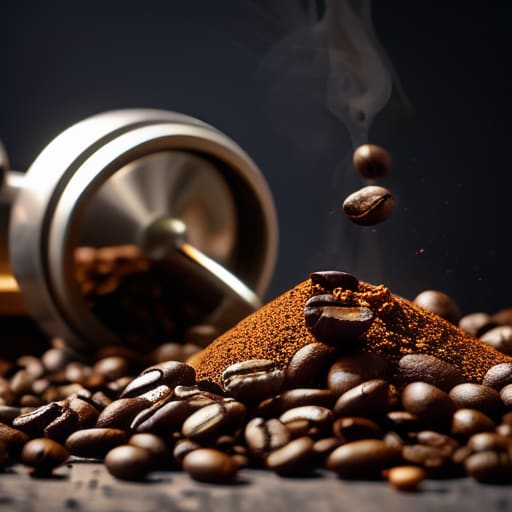
I remember when I used to think a bag of beans was just a bag of beans. In my engineering days, I was obsessed with precision, but I didn’t realize that precision could be so… tactile. When you sit down with your grinder, you aren’t just preparing a beverage; you are setting the stage. Understanding grind size importance is a bit like choosing the right grade of aggregate for a foundation—if the particles are too inconsistent, the whole structure of the flavor collapses.
If your grind is too coarse, like sea salt, the water rushes through too quickly, leaving you with a thin, sour cup that lacks any soul. But if you go too fine, it’s like trying to walk through thick mud; the water stalls, and you’re left with a bitter, over-extracted mess. I’ve found that finding that sweet spot—somewhere between fine sand and table salt—is where the magic happens. It’s about finding the balance that allows the true character of the bean to emerge. There is a quiet satisfaction in dialing it in, adjusting the dial just a hair, and waiting to see how the next cup transforms.
Small Adjustments for a Better Morning
- Use water that’s just off the boil. If it’s too hot, you’ll scorch the grounds and end up with a bitter, unpleasant mess; if it’s too cool, the flavor stays locked away. Aim for that sweet spot where the steam is thick but not angry.
- Invest in a proper scale rather than relying on scoops. In my engineering days, we knew that precision was the difference between a bridge that stood and one that didn’t. The same goes for your coffee—measuring by weight ensures your morning cup tastes exactly as you remember it.
- Don’t neglect the rinse. I always take a moment to pour hot water through my paper filter before adding the grounds. It washes away that papery taste and warms up the carafe, making sure the heat stays where it belongs: in your mug.
- Keep your beans tucked away in a cool, dark corner. Light and air are the enemies of a good roast. I treat my coffee beans like my vintage Leica lenses—they need a stable environment if they’re going to perform when it matters most.
- Practice the art of the bloom. When you first pour a little water over the grounds, let them swell and bubble for thirty seconds. It’s a quiet, beautiful little ritual that releases the gases and prepares the coffee to give you its very best.
A Few Notes to Carry with You
Don’t treat your morning brew like a task on a checklist; treat it like a conversation between you and the beans.
If the coffee tastes a bit harsh or thin, don’t fret—just adjust your grind or your water temperature slightly tomorrow and try again.
Most importantly, remember that the perfect cup isn’t just about the chemistry, it’s about the quiet moment you carve out for yourself before the world starts rushing.
## The Quiet Rhythm of the Morning
A good cup of coffee isn’t something you manufacture; it’s something you negotiate with. You have to listen to the water, respect the grounds, and most importantly, give yourself the permission to wait.
Bernard Oyelaran
The Last Drop

At the end of the day, getting that perfect cup isn’t about following a rigid blueprint or obsessing over decimal points in a timer. It’s about understanding how those little variables—the coarseness of the grind, the steady heat of the water, and the patience of the extraction—all work together to create something meaningful. We’ve talked about the mechanics, but the real magic happens when you stop treating the kettle like a piece of industrial equipment and start treating it like a tool for connection. When you respect the physics of the bean, you aren’t just making caffeine; you are mastering the art of the ritual.
As I sit here at this small wooden table, watching the morning light stretch across my notebook, I’m reminded that the best things in life rarely happen when we are in a hurry. Whether you are dialing in a pour-over or just enjoying a simple mug of black coffee, I hope you find a reason to linger a little longer. Don’t let the rush of the world pull you away from that first, warm sip. Take a breath, feel the weight of the ceramic in your hands, and remember that the beauty is in the slowing down.
Frequently Asked Questions
If I'm using an older, manual grinder, how much does the consistency of the grind actually change the taste compared to those electric ones?
Truth be told, that’s where the real character shows up. An electric grinder is efficient, sure, but they often leave you with a mix of dust and boulders. With my old manual one, I take my time. It’s a bit more work, but I can feel the resistance change. A consistent, even grind means the water flows through every grain equally, preventing that bitter, uneven bite. It’s more about the ritual than the speed.
I find myself rushing through my morning routine; are there any specific ways to make the brewing process feel more like a ritual and less like a chore?
It’s easy to let the morning slip through your fingers like sand. To turn a chore into a ritual, try engaging your senses before the caffeine even hits. Don’t just dump the grounds; take a moment to inhale their scent. Listen to the rhythmic scrape of the spoon or the soft hiss of the water. I find that setting my notebook aside and simply watching the bloom rise makes the whole process feel intentional, rather than rushed.
When I'm traveling and staying in smaller places, what's the simplest way to get a decent cup without carrying all my heavy equipment?
When I’m away from my workbench and my usual setup, I’ve learned to lean on simplicity. I usually pack a small, lightweight pour-over dripper—the kind that folds flat in a bag. Pair that with a few pre-measured packets of high-quality ground coffee, and you’re set. It’s not about the gear; it’s about the ritual. Even in a tiny rental, that slow pour helps me feel right at home.
