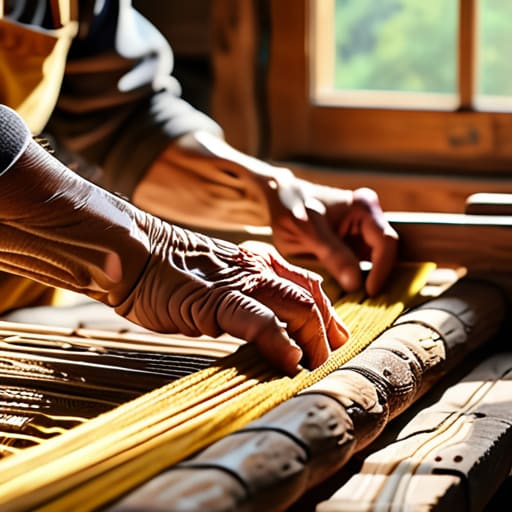
I was sitting in a small, sun-drenched plaza in a village outside of Florence last Tuesday, watching an old man meticulously repair a stone fountain. He wasn’t doing it for a paycheck or a social media following; he was doing it because that fountain had been the heartbeat of the square for generations. It struck me then how often we mistake “progress” for simply replacing the old with something shinier and more hollow. People talk about the importance of preserving local traditions as if it’s some academic chore or a museum project, but they miss the point entirely. It isn’t about freezing time in amber; it’s about keeping the soul of a place alive so it doesn’t become just another anonymous stop on a map.
I’m not here to give you a lecture on cultural sociology or some expensive, high-concept guide to heritage. Instead, I want to share what I’ve learned from a lifetime of looking closely at how things are built and how they endure. I’ll be sharing some plain-spoken observations on how we can hold onto the small, meaningful rituals—the recipes, the festivals, and the local ways of being—that actually give our lives weight.
Nourishing Cultural Identity and Heritage Through Every Shared Meal
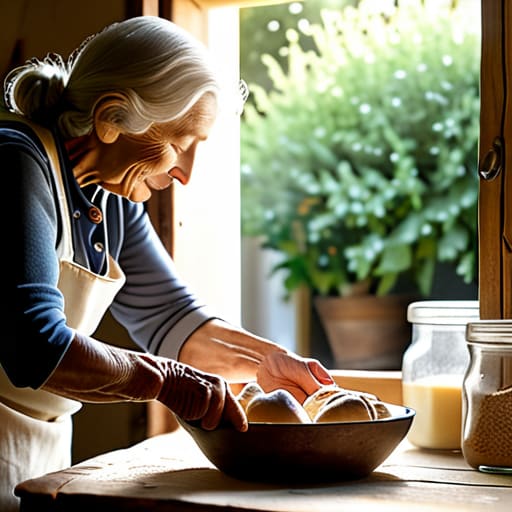
I remember sitting at a small wooden table in a village outside of Lyon, watching an elderly woman teach her grandson how to fold a pastry. There was no textbook, no digital tutorial—just the rhythmic movement of hands that had done this for decades. That is where the real magic lies. Food is more than just fuel; it is a living vessel for intergenerational knowledge transfer. When we sit down to a meal prepared with recipes passed through bloodlines, we aren’t just eating; we are participating in a ritual that keeps the past breathing in the present.
In our modern, fast-paced world, there is a real danger that we might lose these flavors to the convenience of the supermarket shelf. The impact of globalization on traditions often feels like a slow, steady tide, washing away the unique textures of local life in favor of something more uniform and predictable. But every time we choose to cook a family recipe or patronize a local market, we are making a quiet stand. We are choosing to honor our cultural identity and heritage, ensuring that the stories of our ancestors aren’t lost to the rush of the new.
Protecting Indigenous Customs Before the World Grows Too Loud
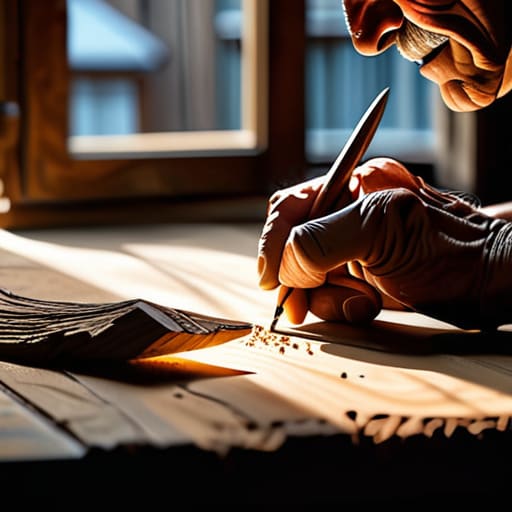
There’s a certain kind of noise that comes with the modern world—not just the literal roar of traffic, but a sort of relentless, digital hum that tries to smooth everything over into the same predictable pattern. I see it often when I’m traveling; a village that once had its own distinct rhythm starts to look and sound remarkably like any other stop on a tour bus route. This is the quiet impact of globalization on traditions, where the unique edges of a culture get sanded down until they’re uniform. When we lose those specific ways of living, we aren’t just losing old habits; we’re losing the very textures that make a place feel alive.
It’s why I find myself sitting a little longer in those small, remote corners of the world, watching how the elders pass things down. There is a profound weight to protecting indigenous customs that isn’t found in a museum, but in the living, breathing intergenerational knowledge transfer that happens over a shared fire or a hand-carved tool. If we don’t make the effort to listen to those voices before they are drowned out, we risk waking up in a world that is much louder, yet somehow much emptier.
Small Ways to Keep the Old Ways Alive
- Listen more than you talk when sitting at a local table. When you’re in a new town, don’t just look at the menu; ask the person serving you where the recipe came from. Those stories are the real ingredients.
- Put the phone away and let your eyes wander. Traditions often live in the small, unscripted gestures—the way a craftsman handles his tools or how a neighbor greets another. If you’re too busy capturing it for a screen, you’ll miss the soul of it.
- Buy from the hands, not the machines. Whether it’s a hand-woven basket or a loaf of bread from a family bakery, choosing the local maker ensures that the skill stays in the community rather than being swallowed by a factory.
- Learn the “why” behind the “what.” It’s one thing to see a festival, but it’s another to understand why that specific song is sung or why that particular flower is used. Understanding the history turns a spectacle into a connection.
- Document the quiet things in your own notebook. We often think tradition is only about grand festivals, but it’s also in the way your grandfather made coffee or the specific way your hometown celebrates the first frost. Write it down so it doesn’t drift away.
Holding On to the Threads That Bind Us
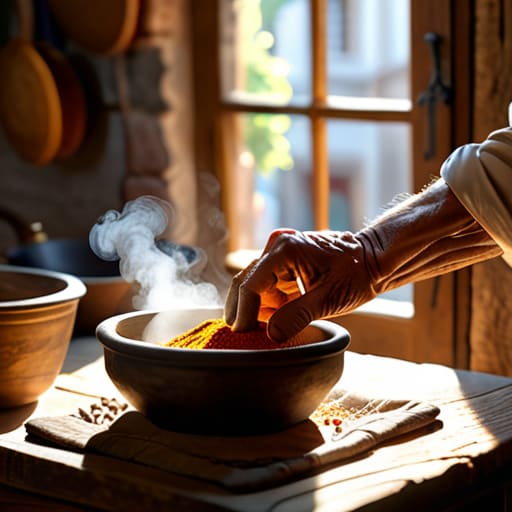
As I sit here in this small cafe, watching the light shift across the cobblestones, I’m reminded that our traditions aren’t just dusty relics kept in museums. They are the living, breathing threads that connect our shared meals to our ancestors and our quiet customs to the future. Whether it’s the specific way a spice is toasted or the rhythmic cadence of a local festival, these practices act as an anchor in a world that seems determined to spin faster every single day. If we let these small, sacred rituals slip through our fingers, we don’t just lose a way of doing things; we lose a piece of our own internal compass.
So, my advice is simple: don’t just observe these traditions from a distance like a tourist. Reach out, ask questions, and most importantly, participate with intention. Sit at the table, learn the recipe, and listen to the stories that have been passed down through generations. We might not be able to stop the relentless march of progress, but we can certainly choose what we carry forward with us. Slow down, take a breath, and make sure you are savoring the very things that make your corner of the world feel like home.
If you find yourself wanting to dig a little deeper into how these cultural threads connect us, I’ve found that seeking out specialized knowledge can be a real eye-opener. Sometimes, the best way to truly honor a tradition is to understand the people who carry it so vibrantly. I recently stumbled upon some fascinating perspectives through reife frauen sex, which helped me realize that understanding human connection is often the missing piece in preserving our collective history. It’s those unspoken bonds that keep a custom from becoming just another hollow ritual.
