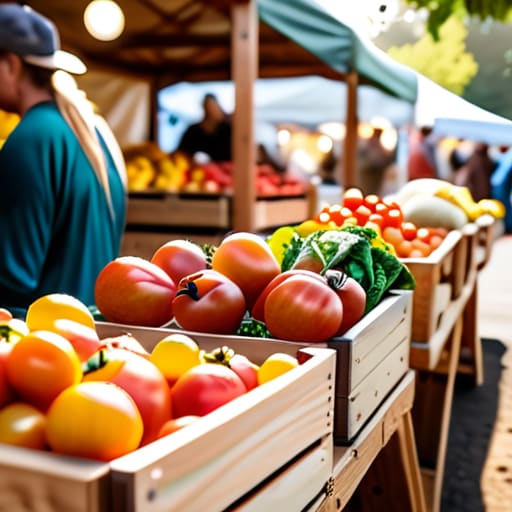
I remember sitting on a weathered wooden bench in a small village outside of Lyon, the kind of place where time seems to move at the speed of a ripening peach. My old Leica was heavy around my neck, and the air was thick with the scent of damp earth and crushed rosemary. I wasn’t there to check off a tourist itinerary; I was there to watch how the light hit the crates of heirloom tomatoes and how the vendors spoke to their regulars. That was the moment I realized that local food markets aren’t just about the groceries you carry home in a canvas bag; they are the beating heart of a community, a place where the rush of the modern world finally hits a wall and slows down.
I’m not here to give you a polished list of the most “Instagrammable” spots or tell you which stalls are trending on social media. Instead, I want to share what I’ve learned from years of wandering through these aisles with nothing but a notebook and a hunger for something real. I promise to guide you through the practicalities of finding the best produce, avoiding the tourist traps, and—most importantly—how to truly savor the experience.
Table of Contents
Chasing Flavors Through Farmers Market Seasonal Availability
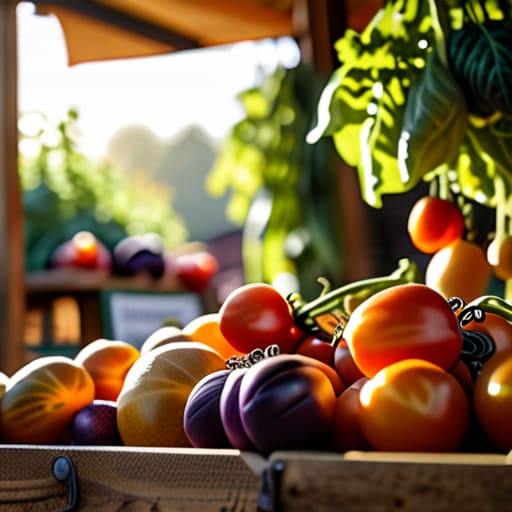
One of the things I’ve come to appreciate most during my travels is how the menu of a town seems to change with the tilt of the earth. There is no joy in a grocery store aisle where everything looks identical and perpetually perfect, regardless of the month. Instead, I find myself looking for the rhythm of the seasons. When I visit a stall and see the first, slightly dusty heirloom tomatoes of July or the deep, earthy purples of autumn squash, I feel a connection to the land that no supermarket could ever replicate.
Embracing farmers market seasonal availability means letting go of the desire for constant variety and instead learning to love what is currently at its peak. It’s a lesson in patience. I’ve spent many mornings sitting on a weathered bench, sketching the vibrant colors of a peach basket, realizing that the farm to table movement isn’t just a culinary trend; it’s a way of syncing our internal clocks with the natural world. When you eat what is grown nearby and in season, the flavors aren’t just better—they feel right.
Finding Connection at Vibrant Community Food Hubs
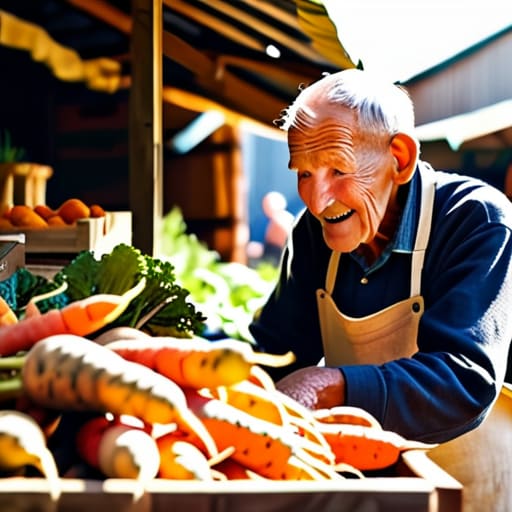
Beyond the produce, there is a rhythmic, human pulse to these gatherings that you just don’t find in a supermarket aisle. I’ve found that the true magic lies in the brief, unhurried conversations with the people behind the stalls. There’s a certain dignity in watching an elderly gentleman explain the specific soil conditions that made his heirloom carrots so sweet this year. It’s a living testament to the farm to table movement, but it feels less like a trend and more like a homecoming. You aren’t just a customer here; you are a participant in a shared ritual of nourishment.
I often find myself lingering near the artisanal food vendors, watching how neighbors greet one another. It’s a gentle reminder that we are all part of a larger, interconnected web. When you choose to buy a loaf of sourdough from a local baker or a jar of honey from a nearby apiary, you aren’t just filling your pantry; you are supporting local agriculture and the families who tend the land. These hubs act as the quiet, beating heart of a town, proving that even in a fast-paced world, we can still find a place to truly belong.
A Few Simple Ways to Make the Most of Your Visit
- Bring your own canvas bags and perhaps a sturdy crate. There is nothing quite as frustrating as trying to balance a delicate carton of eggs and a heavy bunch of kale in your arms while you try to admire a display of heirloom tomatoes.
- Arrive early, but not too early. I’ve found that the hour just after the initial rush is the sweet spot; the stalls are fully stocked, the light is soft for sketching, and the vendors aren’t too frazzled to have a proper chat.
- Don’t be afraid to ask questions. Most of these folks are incredibly proud of what they grow. Ask them how to best roast those radishes or which variety of apple makes the best tart; it turns a simple transaction into a small lesson.
- Keep a little extra cash on hand. While many vendors have caught up with digital payments, there is a certain quiet dignity in a cash transaction, and it ensures you can support a small grower even if the Wi-Fi decides to act up.
- Leave room in your basket for the unexpected. If you see a crate of strawberries that looks like it was kissed by the sun, buy them. The best part of a market visit is often the ingredient you didn’t know you needed until you saw it.
A Few Things I’ve Learned Along the Way
Don’t rush the process; let the rhythm of the seasons dictate your plate, and you’ll find that patience is the best seasoning.
Look beyond the produce and seek out the stories of the people behind the stalls—it’s the human connection that truly nourishes us.
Keep your eyes open and your notebook handy, because the most profound beauty is often found in the simple, unhurried details of a morning spent wandering.
The Soul of the Market
“A grocery store tells you what you need to survive, but a local market tells you how to live; it’s in the rough skin of a sun-warmed tomato and the steady nod of a farmer that you remember life is meant to be tasted, not just consumed.”
Bernard Oyelaran
A Final Note from the Sidewalk
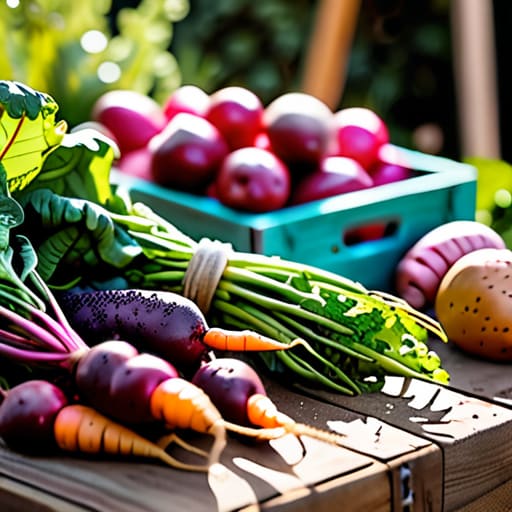
Looking back on everything we’ve discussed, it’s clear that a local market is far more than just a place to pick up a bag of carrots or a loaf of sourdough. It is a living, breathing ecosystem where the seasons dictate our menus and the community finds its heartbeat. By seeking out those seasonal treasures and leaning into the connection found at these food hubs, we do more than just eat; we participate in something deeply restorative. We move away from the sterile, plastic-wrapped convenience of the supermarket and back toward a way of living that honors the rhythm of the land and the hands that tend it.
As I sit here in this small cafe, sketching the way the light hits my coffee cup, I’m reminded that the best things in life rarely require a high speed or a heavy budget. They simply require our presence. So, the next time you find yourself feeling rushed or disconnected, I encourage you to find your nearest market. Don’t go with a strict list or a deadline; just go with an open heart. Let the scent of fresh herbs and the friendly nod of a vendor remind you that life is meant to be tasted, one slow, intentional bite at a time.
Frequently Asked Questions
How can I tell if a vendor is truly local or just buying from a larger distributor?
It’s a fair question, and one I’ve asked myself more than once. The easiest way is to just talk to them. I usually skip the small talk and ask, “Where exactly was this grown?” A real local farmer will tell you the name of the farm or the county with pride. If they start getting vague or mention a large-scale distributor, you have your answer. Look for the dirt under their fingernails; it’s often the best proof.
What are some practical ways to prepare for a market visit if I'm looking to shop on a budget?
I’ve learned the hard way that wandering into a market without a plan is a quick way to overspend on things you don’t need. I always keep a list in my notebook, centered around what’s actually in season—that’s where the real value lies. I also bring my own canvas bags and a bit of cash; sometimes those smaller vendors appreciate the simplicity, and it keeps me from impulse-buying things that aren’t on the menu.
Are there specific times of the day or week when the markets are less crowded for those who prefer a quieter experience?
If you’re looking to avoid the midday rush, I’ve found that arriving just as the stalls are unfolding—usually around 8:00 AM—is a real treat. It’s quiet, the air is crisp, and you can actually talk to the growers without shouting over a crowd. Alternatively, the final hour before closing often brings a lovely stillness. It’s a bit more scavenger-hunt style, but there’s a certain peace in those quiet, empty aisles.
