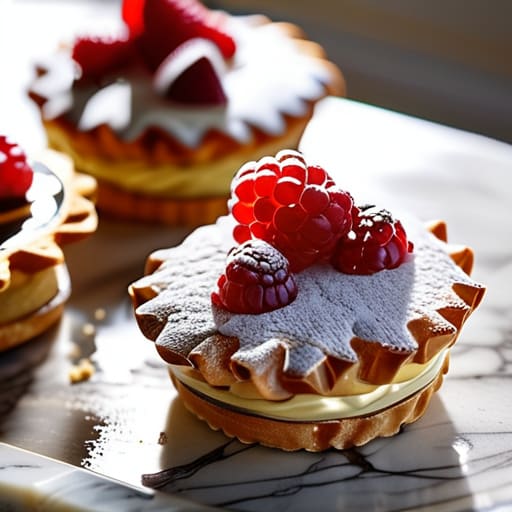
I remember sitting in a small, sun-drenched corner of a café in Lyon last autumn, watching a baker work. There was no gold leaf, no frantic plating, and certainly no pretense—just the rhythmic, heavy scent of yeast and warming butter. It struck me then how much we’ve let the world turn french pastry into something intimidating and unnecessarily expensive. People think you need a master’s degree and a mountain of specialized equipment just to enjoy a decent tart, but that’s a load of nonsense. We’ve traded the soul of the craft for glossy social media photos that look beautiful but taste like nothing at all.
I’m not here to give you a lecture on molecular gastronomy or sell you on some overpriced, complicated gadget. Instead, I want to share what I’ve learned from years of traveling slowly and observing the small, honest details. I’ll walk you through the fundamental truths of a good bake, focusing on the patience and technique that actually matter. My goal is to help you find that same quiet joy in your own kitchen, one flaky layer at a time, without all the unnecessary fuss.
Table of Contents
Mastering Laminated Dough Techniques One Layer at a Time
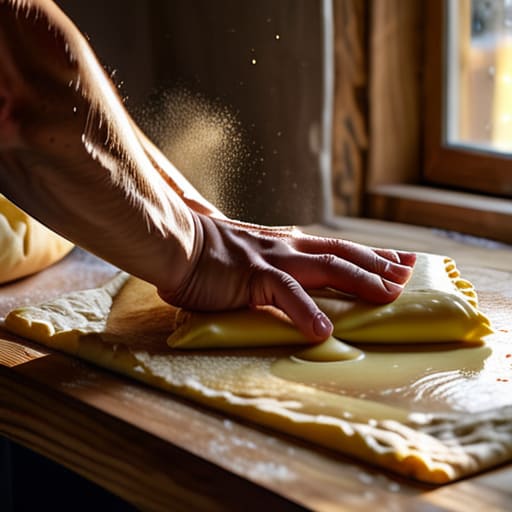
There is a certain meditative quality to the process of folding butter into dough. When I first picked up a rolling pin, I thought it was all about strength, but I quickly learned it’s actually about patience and temperature. To truly grasp laminated dough techniques, you have to respect the physics of it. If the butter gets too warm, it soaks into the flour and you lose those distinct, airy layers; if it’s too cold, it shatters like glass. I often find myself sitting at my kitchen table, notebook open, sketching the way the light hits the flour dust, just waiting for that perfect window of pliability.
Achieving that shatteringly crisp texture requires more than just following instructions; it requires an understanding of artisan patisserie methods. It’s about the rhythmic “turn and fold,” a repetitive motion that feels almost like a ritual. You aren’t just making food; you are building a structural masterpiece, one microscopic layer at a time. It’s a slow, deliberate dance between fat and flour that reminds me why I always preferred the old ways of doing things.
The Quiet Magic of Artisan Patisserie Methods
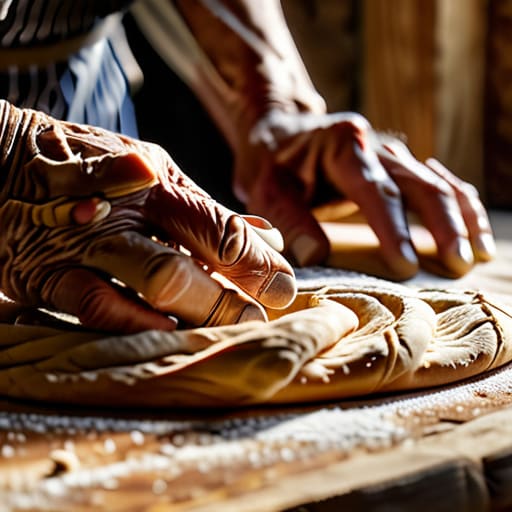
There is a certain kind of patience required when you step into the world of true artisan patisserie methods. It isn’t just about following a recipe; it’s about a deep, almost meditative respect for the clock and the temperature. I remember watching a baker in a small village outside Lyon, his hands dusted in flour, working with a rhythmic precision that reminded me of the steady, methodical pace of a construction site—only much more delicate. He wasn’t rushing to meet a deadline; he was waiting for the dough to tell him it was ready.
To get it right, you have to understand the nuances of your materials. For instance, the choice between different types of french flour can be the difference between a heavy, clunky crust and one that shatters like glass upon impact. It’s these small, technical details that uphold the storied french confectionery traditions we admire. You learn quickly that you cannot force the butter to cooperate or the gluten to relax. You simply set the stage, provide the right environment, and wait for the magic to happen in the quiet heat of the oven.
A Few Small Lessons Learned from the Kitchen and the Café
- Don’t fight the butter. When you’re working with that cold, precious fat, treat it with respect. If it gets too warm and starts to feel greasy, stop everything, wrap it up, and let it rest in the fridge. Patience is the most important ingredient in any pastry.
- Temperature is your silent partner. I’ve learned through many a failed project that a warm kitchen is the enemy of a crisp flake. Keep your workspace cool, and if you can, chill your rolling pin. It sounds fussy, but it makes all the difference.
- Listen for the crunch. A true French pastry shouldn’t just taste good; it should sing. When you bite into a well-made croissant or a tart shell, you should hear that delicate, shattering sound. If it’s silent, you’ve likely rushed the bake or missed the moisture balance.
- Measure by weight, not by sight. In my engineering days, a millimeter was the difference between a bridge standing or falling. Baking is much the same. A cup of flour can be a mountain or a molehill depending on how you scoop it. Use a scale; it removes the guesswork and leaves more room for enjoyment.
- Give yourself permission to fail. Not every batch will rise perfectly, and not every crust will be golden. I’ve sat in many a quiet café watching people enjoy perfection, but I’ve also sat with many a burnt tray of puff pastry. The trick is to clean up the crumbs, pour a coffee, and try again tomorrow.
Lessons from the Pastry Bench
Patience is the most essential ingredient; you cannot rush the dough or the cooling process if you want those distinct, shatteringly crisp layers.
Respect the quality of the butter, for in a good pastry, the fat isn’t just a component—it is the very soul of the texture.
Slow down and engage your senses, because the true reward isn’t just the finished tart, but the quiet satisfaction of seeing a complex craft come to life.
The Patience in the Pastry
“You can’t rush a good croissant any more than you can rush a sunrise; it requires a certain respect for the layers, a willingness to wait, and the understanding that the best things in life are built one careful fold at a time.”
Bernard Oyelaran
The Sweetness of the Slow Path
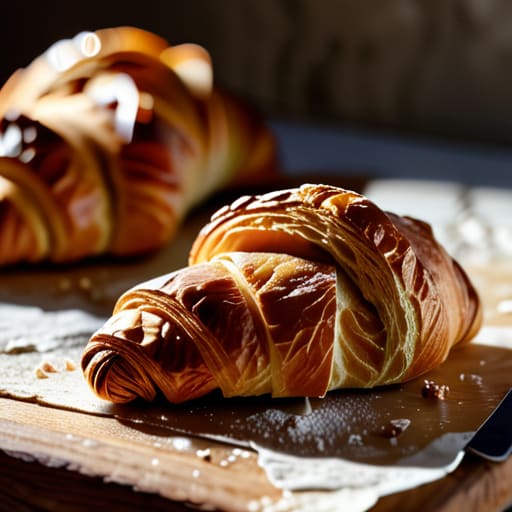
Looking back at everything we’ve discussed—from the meticulous patience required for laminated dough to the soulful, almost meditative methods used by true artisan bakers—it becomes clear that French pastry isn’t just about a recipe. It is about the discipline of the process. Whether you are struggling to get those layers perfectly distinct or simply trying to understand why a certain crust shatters so beautifully under a knife, remember that perfection is often found in the repetition. It is the steady hand and the willingness to start again that truly builds a baker’s skill. Don’t let the technicalities intimidate you; instead, let them guide you toward a deeper appreciation for the craftsmanship behind every bite.
As I sit here in this small cafe, watching the light shift across my notebook, I am reminded that the best things in life rarely happen in a hurry. A pastry is meant to be a pause button for the soul. It isn’t just fuel; it is a reason to sit still, to watch the world go by, and to truly taste the moment. So, the next time you find yourself with a croissant or a tart in hand, I encourage you to do more than just eat. Put down your phone, take a breath, and savor the quiet beauty of the details. Life is far too short to rush through the things that are meant to be enjoyed.
Frequently Asked Questions
Is it truly necessary to use high-fat European-style butter, or can I get a decent result with what I find at my local grocery store?
Now, I’m no professional baker, but I’ve learned through years of tinkering with old camera gears that the quality of your components matters. If you’re looking for those distinct, shatteringly crisp layers, that high-fat European butter makes a world of difference. It holds its shape better during the folding process. You can certainly use your local grocery brand, but don’t be surprised if the result feels a bit more heavy and less… airy.
How do I keep my kitchen temperature under control so the dough doesn't melt before it ever hits the oven?
The biggest mistake I see is fighting the heat instead of managing it. On a warm afternoon, I keep my flour in the fridge overnight and work in short bursts. If the kitchen feels heavy, I crack a window or even move my workstation to the coolest corner of the house. Most importantly, don’t be afraid to pop your dough back in the refrigerator between folds. Patience and a little chill are your best friends.
If I'm just starting out, should I focus on mastering a single classic like the croissant, or is it better to try a variety of different pastries?
If you’re just starting out, don’t try to conquer the whole bakery at once. It’s like trying to build a bridge before you understand the strength of the steel. Pick one classic—the croissant is a fine teacher—and learn its rhythms. Master that one dough, feel how the butter behaves, and learn its temperament. Once you can find the stillness in one perfect pastry, the others will naturally follow.
