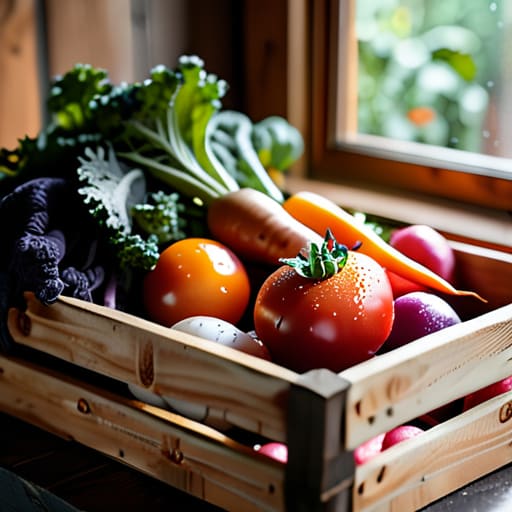
I remember sitting on a weathered wooden bench in a small village outside of Florence last autumn, staring at a plate of heirloom tomatoes that looked more like works of art than mere groceries. They weren’t polished or perfect like the waxen spheres you find in a supermarket aisle; they were knobby, slightly uneven, and smelled intensely of sun and soil. That was the moment I realized that much of the modern conversation around organic food has become far too loud and, frankly, a bit ridiculous. We’ve turned something as simple as honest farming into a high-priced status symbol, wrapped in glossy marketing that makes you feel like you need a PhD just to buy a head of lettuce.
I’m not here to sell you on some expensive lifestyle trend or tell you that you need to overhaul your entire pantry overnight. My goal is much simpler: I want to share what I’ve learned about finding real substance in what we eat without breaking the bank or losing our minds. I’ll be sharing some straight-shooting, practical ways to navigate the aisles, focusing on what actually matters so you can get back to the important part—savoring the meal.
Table of Contents
The Deep Wisdom of Soil Health and Biodiversity
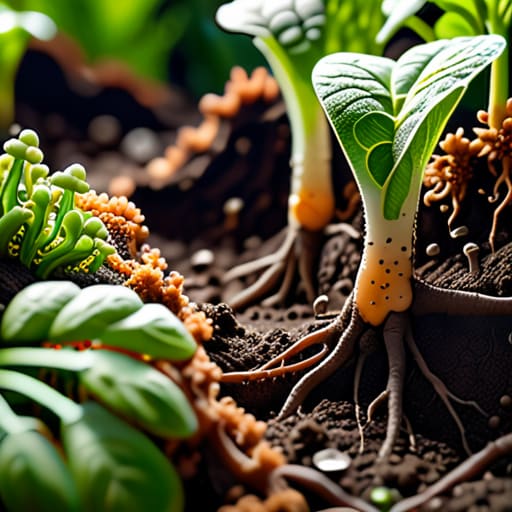
I spent most of my career looking at blueprints and concrete, focusing on the rigid strength of structures. But lately, my attention has shifted to something far more complex and, frankly, more impressive: the living architecture beneath our feet. When we talk about soil health and biodiversity, we aren’t just discussing dirt; we are talking about a bustling, microscopic city that sustains everything we eat. In a conventional field, the soil often feels tired, treated more like a sterile medium to hold a plant upright. But when a farmer embraces sustainable agriculture practices, the ground becomes a sponge—rich, dark, and teeming with life that breathes alongside the crops.
There is a profound, quiet intelligence in a field that isn’t forced into submission by heavy chemicals. By following certified organic standards, growers allow the natural cycle of rotation and composting to do the heavy lifting. It’s a bit like restoring one of my old Leica cameras; you can’t just force the gears to turn with brute strength. You have to respect the delicate mechanisms and the history of the machine. When the soil is healthy, the plants don’t just grow; they flourish, carrying that vitality directly into the fruit on your plate.
Tracing the Gentle Path of Eco Friendly Food Sourcing
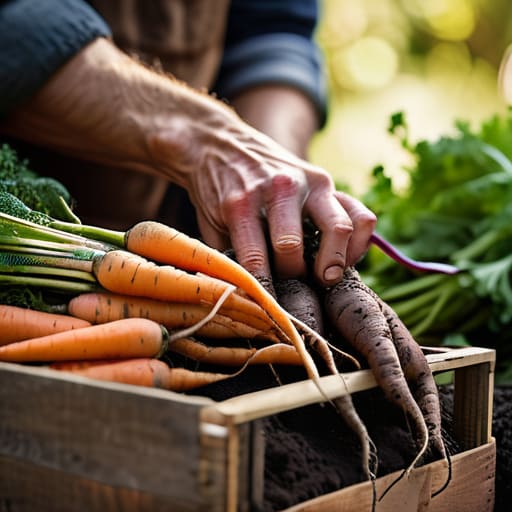
I’ve found that the best way to understand where my dinner comes from is to simply follow the trail of the hands that grew it. Lately, I’ve been making a point to skip the fluorescent aisles of the big-box supermarkets in favor of the local farmer’s markets. There is a profound difference in the energy of a place when you can speak directly to the person who tended the rows. When I ask about their sustainable agriculture practices, I’m not looking for a lecture; I’m looking for a connection. I want to know if the rain was kind this year or if the heirloom carrots grew a bit crooked because of the soil.
Choosing to support these smaller, more intentional systems is a form of quiet activism. It’s about more than just the label on a crate; it’s about participating in a cycle that respects the land rather than just extracting from it. Navigating the nuances of organic vs conventional produce can feel overwhelming at times, but I’ve learned that the real reward is in the transparency. When you know the story behind the seed, the meal feels a little more substantial, and the world feels a little more connected.
Small Ways to Bring the Harvest Closer to Home
- Don’t feel pressured to overhaul your entire pantry overnight; start by picking up one or two staples, like eggs or seasonal greens, from a local organic source and see how much more vibrant they feel on your plate.
- Get into the habit of visiting your local farmer’s market on a Saturday morning—there is something about talking to the person who actually grew your carrots that makes the food taste a little more honest.
- Learn to embrace the “imperfect” look of organic produce; a slightly crooked cucumber or a tomato with a strange shape isn’t a flaw, it’s just a sign that it grew according to its own natural rhythm rather than a chemical blueprint.
- Keep an eye on the seasons rather than the supermarket shelves, because eating organic is most rewarding when you follow what the earth is actually offering you at that exact moment in time.
- Use your senses as your primary guide—trust your nose and your hands to find the freshest items, because when food is grown without the heavy-handed shortcuts, the scent and texture usually tell the whole story.
Small Lessons from a Slower Plate
Choosing organic isn’t about following a trend; it’s about honoring the soil and the quiet, complex life beneath our feet that makes everything grow.
When we seek out food grown with care, we aren’t just buying groceries—we’re participating in a slower, more intentional way of living that respects the seasons.
Taking the time to notice the real flavor of seasonal produce reminds us that the best things in life aren’t rushed, they’re nurtured.
The Connection in Every Bite
“When I sit down with a plate of food grown the old way, I don’t just taste the ingredients; I feel the patience of the seasons and the quiet strength of the soil, reminding me that the best things in life are never rushed.”
Bernard Oyelaran
A Final Thought from the Table
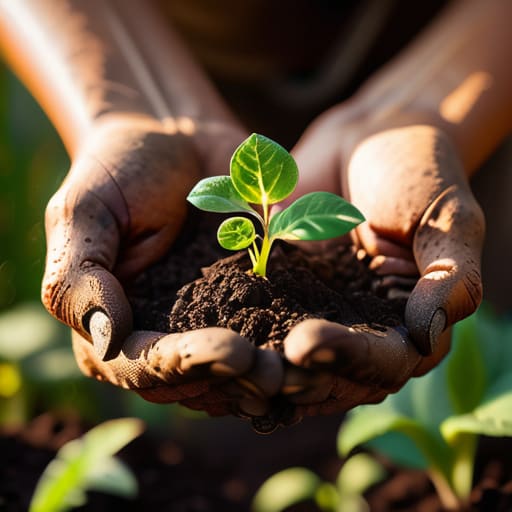
Looking back at how far we’ve traveled in these pages, it becomes clear that choosing organic isn’t just about a label on a grocery store shelf. It is about recognizing the delicate connection between the health of our soil, the diversity of our ecosystems, and the very nourishment that sustains us. When we opt for food grown with respect for the land rather than through sheer chemical force, we are supporting a gentle cycle of stewardship that honors the earth. We are choosing to prioritize the long-term vitality of our planet over the short-term convenience of industrial speed, ensuring that the landscapes we love remain vibrant for the generations coming up behind us.
As I sit here in this little café, sketching the way the light hits my half-eaten crust of bread, I am reminded that every meal is an opportunity to vote for the kind of world we want to live in. You don’t have to change your entire life overnight; just start by noticing the flavor, the texture, and the story behind what you eat. It’s a small, quiet way to reconnect with the world around you. So, the next time you sit down to eat, I hope you take a moment to just breathe and savor. After all, the most important ingredient in any meal is the intention we bring to the table.
Frequently Asked Questions
How can I tell if a local farmer's market is truly organic or just using the label to charge a premium?
It’s a fair question, and one I’ve asked myself more than once while wandering the stalls. Don’t just look for the sticker; look for the hands. Talk to the folks behind the crates. A real organic farmer usually has a story about their soil or their compost, not just a price list. If they can’t tell you how they manage pests or where their seeds come from, they might just be riding the trend.
Is the extra cost of organic produce really worth it when I'm shopping on a fixed retirement budget?
I’ll be honest—I’ve had to sit with my grocery budget more than once lately. It’s a real concern when you’re living on a fixed income. But I’ve found that it’s not about buying everything organic; it’s about being intentional. I save on the basics—oats, rice, or seasonal root vegetables—so I can afford the organic berries or greens. To me, that extra few cents feels like a small, worthy investment in feeling well.
Does choosing organic actually make a measurable difference in the flavor and texture of what I'm eating?
I’ve found that it absolutely does, though it’s more of a subtle shift than a sudden shock. When I sit down with a basket of organic heirloom tomatoes, they have a certain weight and a concentrated sweetness that mass-produced ones just lack. It’s the difference between eating something designed for transport and eating something grown for taste. There’s a structural integrity to the vegetables—a real snap to a carrot—that tells you they weren’t rushed.
