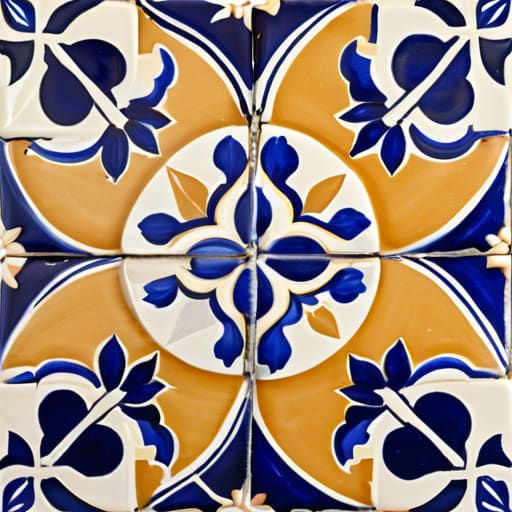
I was sitting at a small, wobbly wooden table in a side street near Alfama, the kind of place where the menu is handwritten and the coffee is strong enough to wake the dead. I had my old Leica out, trying to catch the light, when I realized I wasn’t even looking at the architecture anymore—I was just staring at the walls. There is a certain kind of magic in those weathered portuguese tiles that most travel brochures completely miss. They don’t talk about the way the salt air has softened the edges of a cobalt pattern, or how a single cracked tile can tell you more about a city’s history than any museum ever could.
I’m not here to give you a polished, academic lecture on glaze temperatures or historical eras. Instead, I want to share what I’ve learned by actually walking these streets and sitting in the quiet corners where the real character lives. I’ll show you how to spot the authentic soul behind the patterns and why you should look for the imperfections rather than the pristine sets. My goal is to help you see these pieces not just as decoration, but as a way to find stillness in a world that moves far too fast.
Table of Contents
Tracing Traditional Azulejo Patterns Through Quiet Streets
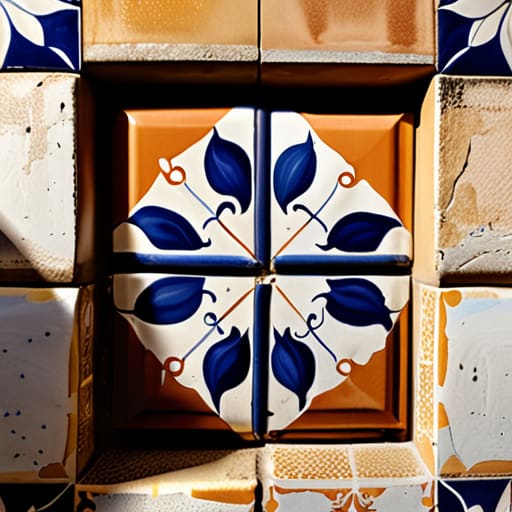
I found myself drifting away from the main thoroughfares of Alfama, where the crowds tend to swell like a river in spring. Instead, I took a turn down a narrow, cobblestone alleyway that felt as though it hadn’t changed since my grandfather’s time. It was here, in the silence, that I truly began to notice the traditional azulejo patterns clinging to the sides of the weathered buildings. They weren’t just decorations; they felt like the very skin of the city. Some were chipped at the edges, revealing the red clay beneath, while others caught the afternoon light with a surprising, stubborn brilliance.
I sat on a low stone wall to pull out my notebook, my eyes tracing the rhythmic flow of hand-painted ceramic tiles that lined a small courtyard. There is a certain honesty in the slight imperfections of the glaze—a tiny wobble in a painted vine or a variation in the shade of cobalt. It reminded me of the old analog cameras I tinker with back home; nothing is perfectly clinical, and that is exactly where the soul resides. I spent nearly an hour just watching how the shadows moved across the geometric shapes, finding a quiet sort of rhythm in the stillness.
The Slow Art of Hand Painted Ceramic Tiles
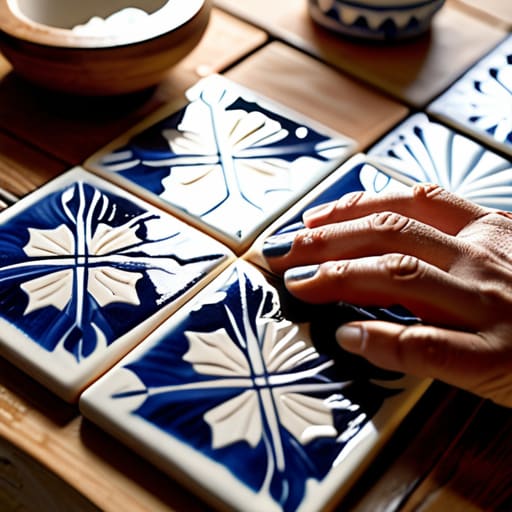
I spent a good hour yesterday tucked into a corner of a small workshop in Alfama, watching an artisan work. There is something deeply grounding about seeing a person move with such deliberate intent. Unlike the mass-produced things we often surround ourselves with, these hand-painted ceramic tiles carry the slight, beautiful imperfections of a human hand. You can see where the brush hesitated or where the glaze pooled just a fraction too thick. It’s a reminder that anything worth making is worth taking your time with.
As I watched him, I thought about the portuguese tile history and evolution—how these pieces transitioned from simple geometric shapes to the lush, storytelling masterpieces they are today. There is a rhythmic quality to the way the pigment meets the clay, a silent conversation between the maker and the material. It reminded me of my old engineering days; we were always chasing precision, but here, the magic seems to live in the subtle deviations from perfection. It makes you realize that the soul of a place isn’t found in its grand monuments, but in the quiet labor of its people.
A Few Things I’ve Learned While Wandering
- Don’t just look at the patterns; look for the cracks. I’ve found that the most beautiful tiles are the ones that have weathered a few decades of Atlantic salt air. Those tiny imperfections tell a much better story than anything factory-made.
- Look up, not just at eye level. Some of the most breathtaking geometric designs are tucked away near the cornices of old buildings, catching the light in ways you’d miss if you were rushing to your next destination.
- Seek out the small workshops in the side streets. While the big showrooms are fine, there is a certain soul in a tile that was painted by someone whose hands are stained with cobalt blue. It’s worth the extra walk.
- Keep an eye out for the color shifts. Depending on how the sun hits a glazed surface at three in the afternoon, a tile might shift from a deep navy to a soft, dusty cerulean. It’s a lesson in patience and observation.
- If you decide to bring a piece home, choose something small and tactile. I prefer a single, hand-painted tile that I can hold in my hand while I sit with my coffee—a little piece of stillness to keep on my desk.
A Few Things I’ve Carried Away With Me
Don’t just look at the tiles; look for the stories in the slight imperfections of the glaze, where the hand of the maker still shows through.
Let the patterns guide your walking; sometimes the best way to see a city is to follow the colors on the walls rather than a map in your hand.
Remember that beauty doesn’t always need a grand stage—it’s often found in the quiet corner of a sunlit alleyway, waiting for someone to slow down.
More Than Just Decoration
“Looking at these tiles, I realized they aren’t just sitting on the walls; they are holding the stories of the sunlight and the rain that has washed over this city for centuries. It’s a reminder that even the smallest, most repetitive patterns can carry a profound sense of permanence if you just take a moment to look.”
Bernard Oyelaran
A Final Glance at the Glaze
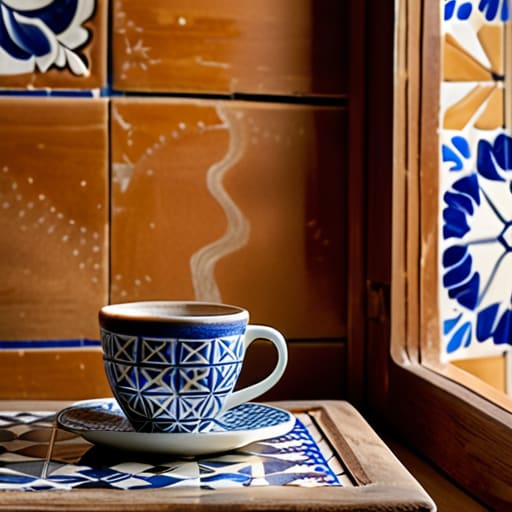
As I sit here in this small café, my notebook resting near a half-finished espresso, I find myself reflecting on everything these tiles represent. We’ve looked at the grand history etched into the geometric azulejos that line the public squares and the quiet, meticulous labor of the artisans who still press pigment into clay by hand. It isn’t just about the decoration or the architecture; it’s about the way these patterns act as a living map of Portuguese identity. Whether they are protecting a weathered church wall or brightening a simple kitchen backsplash, these ceramics remind us that beauty is most enduring when it is built to last and made with intention.
If there is one thing I’ve learned from my time wandering these cobblestone streets, it’s that we often miss the most profound stories because we are looking too far ahead. We rush toward our next destination, eyes glued to a map or a screen, while the real magic is happening right at eye level, frozen in a splash of cobalt blue. I hope that the next time you find yourself in a new place, you’ll take a moment to stop. Don’t just pass by the walls; lean in and look closer. You might just find that the most beautiful parts of life are the ones that ask us to simply slow down and stay a while.
Frequently Asked Questions
Where can I find the best small workshops to watch artisans actually working with the clay?
If you’re looking to see the real thing, steer clear of the big souvenir shops in Baixa. Instead, head toward the Alfama district or wander into the narrow lanes of Graça. I stumbled upon a tiny, unnamed studio near the São Vicente de Fora monastery last Tuesday. There was no sign, just the smell of damp earth and the rhythmic sound of a potter’s wheel. It’s in those quiet, side-street workshops where the true magic happens.
Is there a way to tell the difference between a genuine antique tile and a modern reproduction?
I’ve spent many afternoons squinting at surfaces, and I’ll tell you, it’s all in the imperfections. A modern reproduction is often too perfect—too flat, too uniform. If you hold a tile up to the light, an antique one usually has a slight wobble or a subtle unevenness in the glaze. Look for those tiny pinpricks or a bit of wear where the pattern has softened. Those little flaws are where the history lives.
If I wanted to bring a piece of this back home, which cities have the most approachable local ceramic markets?
If you’re looking to find something special without feeling overwhelmed, I’d suggest heading to Porto. There’s a wonderful, unhurried energy in the local markets there that feels very welcoming. Lisbon is stunning, of course, but it can feel a bit rushed. I’ve also found that smaller towns around Coimbra offer these lovely, quiet stalls where you can actually chat with the makers. It’s much easier to find that perfect, small piece when you aren’t fighting a crowd.
