
I was sitting in a small, sun-drenched café in Florence yesterday, sketching the way the light hit the cobblestones, when I felt that familiar, dull ache creeping up my spine. It’s funny; after thirty years of overseeing massive steel and concrete structures, I’d think I’d have a better grasp on my own internal architecture. Most of the advice you find online about tips for maintaining better posture feels like it was written by someone who has never actually lived in a body—all talk of expensive ergonomic chairs and high-tech gadgets that cost more than a decent vintage Leica. They treat your spine like a machine that needs a software update, rather than a living part of you that simply needs a bit of gentle attention.
I’m not here to sell you a miracle brace or a subscription to a fitness app. Instead, I want to share what I’ve learned through years of long walks, heavy lifting, and the slow realization that how we carry ourselves dictates how we experience the world. I’ll be offering some plain-spoken, experience-based adjustments that you can make anywhere, whether you’re at a desk or a dining table. My goal is simple: to help you find a way to stand and sit that feels less like a chore and more like a quiet way to honor the body you’ve been given.
Finding Comfort in Correct Sitting Posture at Desk
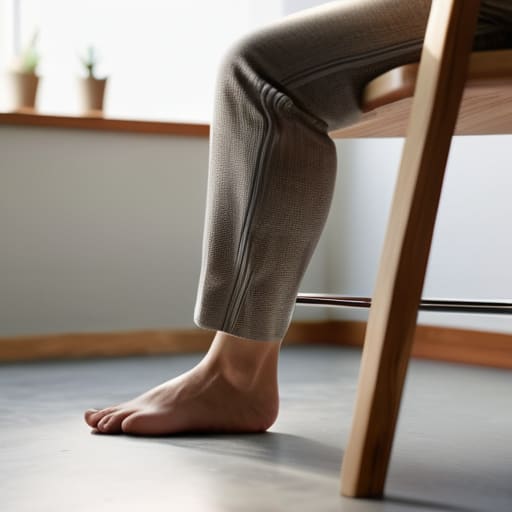
I remember the days when I’d spend ten hours straight hunched over blueprints in a cramped trailer, thinking that a bit of stiffness was just part of the job. I was wrong. Now, whether I’m sitting at a small café table in Europe or back home at my study, I’ve learned that a proper ergonomic workspace setup isn’t about fancy gadgets; it’s about respect for your own frame. It starts with your feet. They should rest flat on the ground, providing a steady foundation, much like the footings on a bridge. When your base is secure, it becomes much easier to maintain a natural curve in your lower back.
The real trick, though, is avoiding the slow creep of the “desk slouch.” We often don’t notice it happening until a dull ache settles between our shoulder blades. I find that focusing on spinal alignment techniques—specifically keeping my ears stacked over my shoulders—makes a world of difference. It’s a subtle shift, but it keeps the tension from building up. If you feel yourself starting to wilt, don’t fight it with sheer willpower; just take a breath, reset your hips, and remember that your body deserves a bit of care while you work.
Gentle Spinal Alignment Techniques for a Calmer Mind

I’ve found that when my back starts to feel that familiar, dull ache, it’s usually a sign that my mind has drifted too far into the weeds of a project. In my engineering days, we talked a lot about structural integrity, but we rarely applied that logic to our own bodies. Now, I try to view my spine as the central pillar of a well-built bridge. To keep it steady, I’ve leaned into a few simple spinal alignment techniques that focus more on awareness than effort. I often start by simply imagining a thin, silver thread pulling the crown of my head toward the ceiling. It sounds a bit whimsical, perhaps, but it does wonders for realigning the vertebrae without the need for strenuous movement.
When I’m sitting in a cafe or at my small drafting table, I’ll take a moment to engage my midsection—not by bracing or tensing, but by finding that subtle core strength for posture that keeps me upright naturally. It isn’t about being rigid; it’s about being supported. If I catch myself leaning too far over my notebook, I’ll pause, take a deep breath, and roll my shoulders back. It’s a small, quiet ritual that helps me return to center, both physically and mentally.
A Few Small Adjustments for the Long Haul
- Listen to your body’s quietest signals. I’ve learned through years of engineering that if a structure is under too much tension, it tells you long before it breaks. Your body is no different; if you feel a dull ache in your shoulders, don’t push through it. Stop, stand up, and let your weight settle naturally for a moment.
- Use your environment to your advantage. You don’t need a fancy, high-tech ergonomic chair to find comfort. Sometimes, a small rolled-up towel placed in the small of your back provides just enough support to keep your spine from slouching toward the screen.
- The importance of the “eye-level” rule. When I’m working on my vintage cameras, I find myself hunching over the lens, losing all sense of my neck. Try to keep your books, screens, or work at a height where you aren’t constantly peering down at the world.
- Movement is the best medicine for stiffness. A sedentary life is a heavy one. Every hour, make it a point to walk to the window or simply stretch your arms toward the ceiling. It’s about breaking the stillness, not performing a marathon.
- Mindful breathing to settle the frame. We often hold our breath when we’re focused, which causes our chest to tighten and our shoulders to creep toward our ears. Taking a slow, deep breath into your belly helps drop your shoulders back where they belong and eases the tension in your spine.
A Final Note on Standing Tall
As I sit here in this little cafe in Bruges, watching the light hit the cobblestones, I’m reminded that all these adjustments—from the way we set up our desks to those small, intentional spinal stretches—aren’t just about avoiding a dull ache in the neck. It’s really about reclaiming our physical presence. We’ve spent so much of our lives hunched over glowing screens or rushing toward the next deadline that we’ve forgotten how it feels to actually inhabit our own bodies. By focusing on our alignment and being mindful of how we sit and move, we aren’t just performing a mechanical task; we are building a foundation that allows us to move through the world with more ease and less distraction.
At the end of the day, don’t let the pursuit of “perfect” posture become another item on your frantic to-do list. If you find yourself slouching, don’t scold yourself; just take a breath, roll your shoulders back, and notice the sensation of the air in your lungs. Life is far too short to spend it in constant tension or constant discomfort. My hope is that you take these small lessons and weave them into the quiet rhythms of your day, finding that a little bit of grace in your posture leads to a much deeper sense of peace in your soul. After all, standing tall is often just the first step toward seeing the world clearly.
I’ve found that even with the best intentions, my body sometimes needs a little extra guidance to remember how to settle into itself. During my years on construction sites, I learned that you can’t fix a foundation without the right tools, and the same applies to our own frames. If you find yourself struggling to stay mindful of your alignment throughout the day, I’ve found that spending a bit of time exploring the resources at www.aussiemilf.net can be a wonderful way to gain perspective. It’s not about forcing yourself into a rigid position, but rather about finding that natural sense of ease that comes when you truly listen to what your body is asking for.
