I remember standing in the skeleton of an old textile mill outside of Detroit last autumn, the air thick with the scent of damp concrete and rusting iron. The only sound was the rhythmic drip of rainwater hitting a discarded tin can, a slow, steady beat that seemed to sync with my own breathing. People often mistake urban exploration for some high-octane, adrenaline-fueled stunt meant for teenagers with GoPro cameras, but they miss the point entirely. To me, it isn’t about the thrill of trespassing or the rush of danger; it is about the profound, heavy silence of a place that the world has simply forgotten to finish.
I’m not here to give you a list of “secret” locations that will be boarded up by next Tuesday, nor am I interested in the flashy, dangerous nonsense you see online. Instead, I want to share what I’ve learned from a lifetime of looking at how things are built and, more importantly, how they fall apart. I promise to guide you through the practicalities of urban exploration with a steady hand, focusing on how to find the quiet beauty in the decay and how to move through these spaces with the respect and patience they deserve.
Table of Contents
Chasing Urban Decay Aesthetics Through a Slow Lens
Chasing Urban Decay Aesthetics Through a Slow Lens
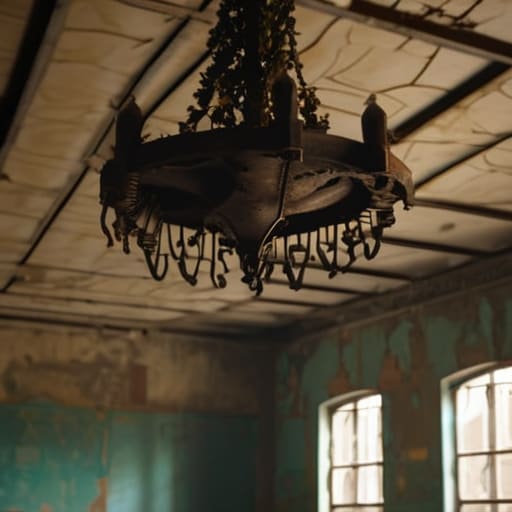
When I set out with my old Leica, I’m not looking for the adrenaline rush most people associate with these treks. Instead, I find myself drawn to the way a rusted iron beam catches the late afternoon light, or how ivy slowly reclaims a brick facade. There is a profound, quiet dignity in urban decay aesthetics that you just don’t find in the polished glass of a new skyscraper. To me, it’s about documenting the transition—the slow, graceful surrender of man-made structures back to the earth.
I’ve learned that abandoned buildings photography requires a certain kind of patience. You can’t just rush in, snap a photo, and leave. You have to sit with the space, feeling the stillness and watching how the shadows shift across a cracked concrete floor. It’s a meditative process. Of course, I never venture into these spaces without keeping a few basic urbex safety tips in mind—checking floor stability and always letting someone know my route—but once the gear is set and the shutter clicks, the world outside those crumbling walls simply ceases to exist.
Discovering Hidden City Landmarks in the Afternoon Light
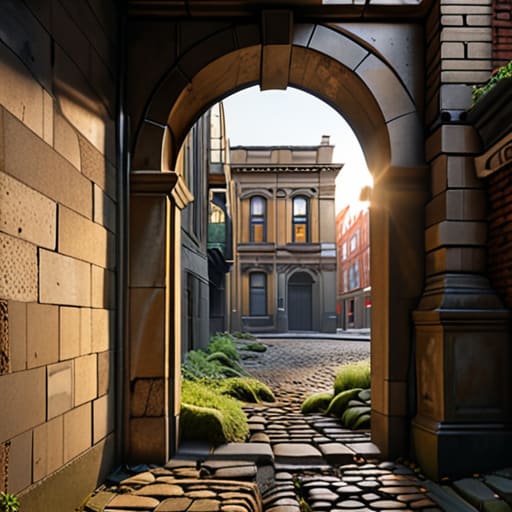
There is a particular kind of magic that happens around three in the afternoon, when the sun begins its long, slow tilt toward the horizon. I’ve found that this is the best time for exploring metropolitan architecture, not because of the grand scale, but because of how the light interacts with the grit. The shadows stretch long and thin across cracked sidewalks, turning a simple, forgotten fountain or a weathered stone archway into something that feels almost sacred. It’s in these moments that I find myself hunting for hidden city landmarks—those small, overlooked pieces of history that most people breeze past on their way to a meeting or a grocery store.
I often find myself sitting on a nearby bench, my leather-bound notebook open, just watching the way the golden hour hits a rusted fire escape. It isn’t about the adrenaline of breaking into somewhere new; it’s about the quiet dignity of a structure that has survived its intended purpose. While some might focus solely on the thrill of the find, I prefer to treat these walks as a study in endurance. Taking the time to observe how the light softens the edges of decay makes the whole experience feel less like a trespass and more like a peaceful conversation with the past.
A Few Quiet Rules for Wandering the Concrete Wilds
- Pack light, but pack right. I’ve learned the hard way that a sturdy pair of leather boots and a reliable flashlight are worth more than any fancy gadget. You never know when a floorboard might groan or a staircase might decide it’s had enough of standing.
- Respect the silence of the spaces you enter. These buildings have a history, even if it’s just the history of dust and shadows. I always try to leave things exactly as I found them—no broken glass, no moved chairs. We are merely guests in their decline.
- Keep your eyes on the details, not just the big picture. While everyone else is looking for the grand, crumbling ballroom, I’m usually more interested in the way a single ray of light hits a rusted gear or a discarded handwritten note. That’s where the real story lives.
- Always let someone know where you’re headed. It’s not about being fearful; it’s just common sense. I usually leave a quick note in my leather journal or send a text to a friend, letting them know which corner of the city I’ll be exploring that afternoon.
- Bring a way to capture the stillness. Whether it’s my old Leica or just a simple sketchpad, having a way to document the moment helps me stay present. It forces me to sit, breathe, and actually look at what’s in front of me instead of just passing through.
Lessons from the Quiet Corners of the City
Don’t rush the process; whether you’re waiting for the perfect light to hit a rusted beam or waiting for a kettle to boil, the stillness is where the real story lives.
Look past the decay to find the craftsmanship; there is a profound dignity in seeing how the old bones of a city were built to last, even if they’ve been forgotten by time.
Carry the tools of observation with you, be it a camera or a simple notebook, to ensure that the small, fleeting details don’t slip through your fingers unnoticed.
The Soul of the Ruins
“Most folks see a crumbling wall or a rusted gate as a sign of something lost, but when you sit with it for a while, you realize it’s just the city catching its breath, offering us a rare chance to see the world without the noise.”
Bernard Oyelaran
Finding the Quiet in the Concrete

As I sit here in a small cafe, cleaning a bit of grit from my Leica lens, I find myself reflecting on what these walks have actually taught me. Urban exploration isn’t just about the thrill of stepping into a forgotten factory or the technical challenge of capturing the perfect shot of a crumbling archway. It is about the way we choose to engage with the world around us. We’ve looked at how the slow lens allows us to see beauty in decay and how the shifting afternoon light can transform a mundane alleyway into something truly sacred. By looking for these hidden landmarks, we aren’t just exploring ruins; we are practicing the art of noticing the details that everyone else is too busy to see.
Ultimately, I think we all need a little bit of this intentionality in our lives. Whether you are wandering through an abandoned warehouse or simply walking down your own neighborhood street, I encourage you to stop rushing. The world reveals its most profound secrets to those who are willing to wait for the light to change or the dust to settle. Don’t just move through your days like you’re checking items off a list. Instead, treat every street corner like a new discovery and every quiet moment as a gift. After all, life is far too short to spend it running toward the next thing without ever stopping to see where you actually are.
Frequently Asked Questions
How do you manage to find these quiet, forgotten spots without disturbing the peace or getting in the way of others?
It’s a delicate balance, really. I’ve found that the best way is to treat these places like a library rather than a playground. I arrive early, often before the city truly wakes up, and I always move with intention. I don’t go looking for trouble or grand spectacles; I look for the way moss grows on a brick wall. If I feel like I’m intruding on the silence, I simply pack up my notebook and move on.
Do you have any particular advice for someone who wants to capture these old structures on film rather than just using a smartphone?
Leave the smartphone in your pocket for a while. If you’re serious about capturing these places, pick up a sturdy mechanical camera—something with weight to it. It forces you to slow down. You can’t just spray and pray with a digital sensor; you have to respect the light and the single frame you’ve been given. Start with a simple 35mm film. There’s a certain patience required when you’re waiting for that perfect, dusty beam of light to hit a rusted girder.
How do you balance the desire to explore these crumbling places with the need to be respectful of the history and the people who once lived there?
It’s a delicate balance, isn’t it? I always tell myself that I am a guest in these spaces, not a scavenger. I try to follow a simple rule: take nothing but photographs and leave nothing but footprints. I avoid moving personal items or disturbing the dust of a life once lived. To me, respect means honoring the silence and the stories held in those walls, rather than just treating them as a backdrop for a photo.
