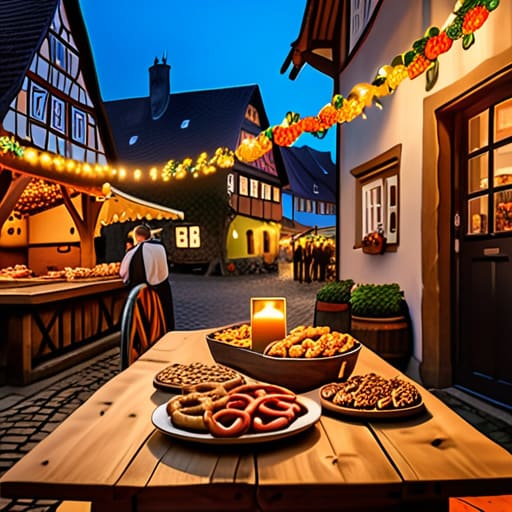
I remember sitting on a splintered wooden bench in a small village outside of Munich last autumn, the kind of place you won’t find in a glossy brochure. The air was thick with the scent of roasted almonds and damp earth, and while the crowds in the city were screaming for attention, all I could hear was the steady, rhythmic clinking of heavy glass mugs and the distant hum of an accordion. Most people approach german festivals as if they’re trying to conquer a marathon or check items off a frantic bucket list, rushing from one loud tent to the next without ever actually tasting the beer or feeling the spirit of the place.
I’m not here to sell you on the chaos or the overpriced souvenir shops that strip the soul out of these traditions. Instead, I want to share what I’ve learned about finding the quiet heartbeat of these celebrations. I’ll guide you toward the corners where the locals actually sit, the meals that actually satisfy, and the small, unhurried moments that make these gatherings worth the trip. We aren’t going to race through a checklist; we’re going to learn how to truly savor them.
Table of Contents
Finding Peace in Seasonal German Festivities
I’ve always found that the best way to truly understand a place isn’t by checking off a list of famous landmarks, but by sitting quietly on a wooden bench during one of the many regional folk festivals Germany hosts throughout the year. There is a certain rhythm to these gatherings that stays with you. Whether it’s the crisp air of a harvest market or the boisterous energy of a town square, these seasonal German festivities have a way of grounding you. You aren’t just a spectator; you become part of a living, breathing tapestry of community.
I spent a rainy afternoon last October in a small village outside Munich, far from the heavy tourist crowds. Instead of chasing the loud music, I found myself watching an elderly man meticulously carving a wooden mask, a nod to the deep-rooted German carnival customs that have survived for centuries. It reminded me that these moments aren’t about the spectacle, but about the continuity of life. When you stop trying to “do” everything, you finally have the space to actually feel the weight of the history being celebrated around you.
The Quiet Magic of Regional Folk Festivals Germany
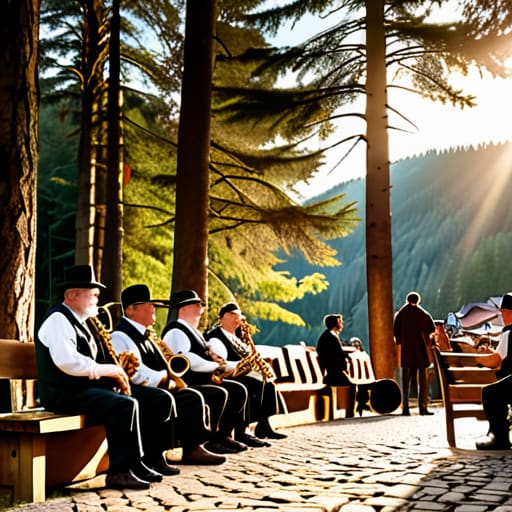
While the massive crowds in Munich get all the headlines, I’ve found that the real heart of the country beats in the smaller, more intimate gatherings. There is a certain kind of magic in the regional folk festivals Germany offers when you wander away from the main tourist tracks. I remember sitting on a wooden bench in a small village in the Black Forest, watching the local brass band tune their instruments as the sun dipped behind the pines. There was no rush, no frantic energy—just the steady, rhythmic pulse of a community coming together to honor their roots.
These smaller celebrations feel less like a spectacle and more like an invitation into someone’s home. Whether it’s a local harvest dance or a small-town parade, you see the unvarnished beauty of German cultural heritage events in action. You aren’t just an observer; you’re a guest. I often find myself pulling out my notebook, trying to capture the way the light hits the traditional costumes or the specific shade of amber in a local lager. It’s in these quiet, unscripted moments that you truly feel the soul of the land.
A Few Notes from My Notebook: How to Truly Experience a Festival
- Don’t try to see everything at once. It’s tempting to chase every parade and loud brass band, but I’ve found the best moments happen when you pick one small corner of the festivities and simply sit. Let the colors and the sounds wash over you without feeling the need to document every second.
- Follow the scent of the woodsmoke and the yeast. While the big, famous stalls are fine, the real magic is often found at the smaller, family-run stands tucked away on the side streets. That’s where you’ll find the authentic flavors—the kind that haven’t changed in generations.
- Pack a sturdy pair of walking shoes and a bit of patience. These festivals are best explored on foot, and you’ll likely find yourself wandering down cobblestone alleys you never intended to visit. Trust the detour; that’s usually where the best views are hiding.
- Keep a small notebook or a camera handy, but use them sparingly. I like to sketch a quick outline of a local craftsman or a particularly beautiful floral arrangement, but remember that the most important thing to capture is the feeling of the moment in your own memory.
- Embrace the rhythm of the locals. If you see a crowd gathering for a simple toast or a traditional song, don’t just stand on the periphery. Lean in, join the warmth, and remember that you aren’t just a spectator—you’re part of the shared joy of the day.
Lessons from the Slow Path
Don’t let the itinerary dictate your joy; sometimes the best part of a festival is the quiet moment spent watching the sunlight hit a wooden stall or sharing a bench with a stranger.
Food is more than just fuel—it’s a way to connect with the land and the people, so take the time to taste the seasonal flavors without checking your watch.
Look past the grand spectacles and find the small, rhythmic details, because that’s where the true soul of a tradition actually lives.
The Heart of the Gathering
“You don’t go to a German festival to check a landmark off a list; you go to sit at a heavy wooden table, share a bit of bread and laughter with strangers, and remember that the best parts of life are the ones we take the time to taste.”
Bernard Oyelaran
A Final Thought from the Sidelines
As I sit here in this small cafe, sketching the way the light hits the cobblestones, I find myself reflecting on everything we’ve discussed. Whether it’s the grand, sweeping energy of a major seasonal celebration or the quiet, rhythmic charm of a tiny village folk festival, the essence remains the same. It isn’t about checking a famous event off a bucket list or navigating the heaviest crowds. Instead, it’s about those small, stolen moments—the taste of a freshly baked pastry, the sound of a local accordion, and the way a community comes together to honor its roots. These festivals are simply windows into the soul of a culture, offering us a chance to step out of our own frantic lives and into someone else’s beautiful tradition.
If you find yourself planning a trip through Germany, my only real advice is to leave some room in your itinerary for the unplanned. Don’t feel pressured to see every parade or attend every feast. Sometimes, the best part of a festival is simply finding a quiet bench, opening your notebook, and watching the world go by. Life moves far too quickly if we only focus on the destination. So, take your time, eat well, and remember that the most meaningful memories are often found in the slow, steady pauses between the celebrations.
Frequently Asked Questions
If I want to avoid the heavy crowds, which smaller towns host festivals that still feel authentic?
If you’re looking to skip the shoulder-to-shoulder chaos of Munich, I’d suggest heading toward the smaller towns in the Black Forest or the Mosel Valley. Places like Quedlinburg or the tiny villages along the Rhine host festivals that feel less like a spectacle and more like a neighborhood gathering. You’ll find locals sharing long wooden tables and genuine music, without the frantic rush. It’s the perfect setting to just sit, sketch, and breathe.
How do I figure out which festivals are more about the local food and tradition rather than just a big party?
Look for the smaller towns and the festivals that don’t have “Oktoberfest” plastered in neon lights. I usually check the local parish calendars or look for mentions of “Volksfest” or “Erntedankfest”—harvest festivals. If the description focuses more on the specific regional wines, seasonal produce, or traditional music than on “nightlife,” you’ve found your spot. Those are the places where the food is the star, not the noise.
Is there a particular time of year when the smaller, regional celebrations are easier to navigate on my own?
If you’re looking to wander without feeling swept up in a tide of people, I’d steer you toward the late spring or early autumn. May is lovely—the landscapes are waking up, and the local harvest festivals are gentle. Or, try the shoulder months of September and October, outside of the big Oktoberfest rush. You’ll find the crowds have thinned, the air is crisp, and there’s plenty of room to find a quiet bench and just observe.
