
I was sitting in a small café in Florence last Tuesday, sketching the way the light hit the cobblestones, when I noticed a young man at the next table. He was hunched so tightly over his laptop that he looked like he was trying to hide inside his own chest. It struck me then that we’ve turned improving posture into this massive, expensive industry filled with “ergonomic” gadgets that cost more than a decent steak and fancy braces that do nothing but make you feel like a stiff-necked statue. Most of this advice is just noise designed to separate you from your wallet, rather than actually helping you inhabit your own body.
I’m not here to sell you a miracle chair or a subscription to a fitness app. What I want to share is what I’ve learned from decades of managing heavy machinery and, more importantly, from learning how to listen to my own aging bones. I’m going to give you a few straightforward, practical adjustments—the kind that don’t require a gym membership or a degree in kinesiology. We’re going to focus on small, intentional movements that help you stand a little taller and breathe a little easier, so you can get back to actually enjoying the view.
Table of Contents
Finding Stillness Through Gentle Spinal Alignment Techniques

I’ve found that most of us treat our bodies like old machinery—we only pay attention when something starts to creak or grind. When I was managing construction sites, I knew that a foundation wasn’t just about the concrete; it was about the subtle way the weight was distributed. Your spine is much the same. I’ve started incorporating a few simple spinal alignment techniques into my morning routine, usually while the coffee is still brewing. It isn’t about intense gym sessions, but rather about finding that sweet spot where your weight feels even, rather than slumped heavily into your hips.
One thing that has made a world of difference for me is focusing on pelvic tilt correction. Most of the day, I find myself tilting forward, which pulls on the lower back in a way that feels incredibly draining by sunset. By taking just a moment to tuck the tailbone slightly and engage the midsection, you’re essentially strengthening core muscles in a way that supports your frame naturally. It’s a quiet, internal adjustment, much like adjusting the focus on one of my old Leica cameras—it takes a little patience, but once you find the clarity, everything feels much more stable.
Preventing Neck Strain While Savoring Your Morning Coffee

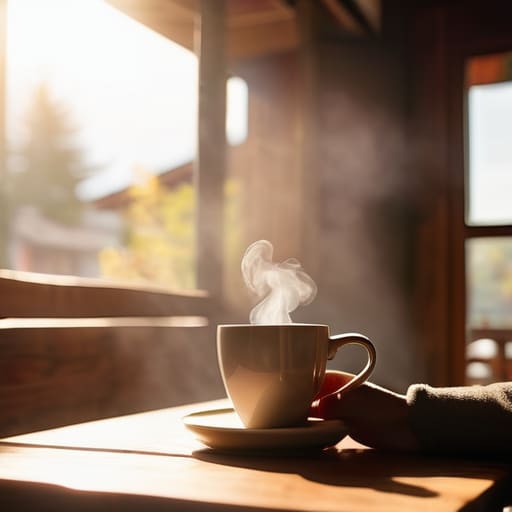
There is a particular kind of peace found in that first cup of coffee, just as the sun begins to pull itself over the horizon. For years, I used to rush through this ritual, hunched over a newspaper or staring intently at a phone, completely unaware of how much tension I was building in my shoulders. I’d finish my brew only to find my neck feeling stiff and heavy, a physical tax paid for a moment of mindless distraction. Now, I treat this time as a lesson in neck strain prevention. I make it a point to sit back, let my shoulders drop away from my ears, and actually feel the weight of my head balanced properly atop my spine.
Instead of treating my morning as a race to get moving, I use it to check in with my body. I’ve found that even a few minutes of mindful sitting—focusing on keeping my chin tucked slightly rather than jutting it forward—makes a world of difference. It isn’t about rigid perfection; it’s about finding a comfortable equilibrium before the day’s demands begin. If I can start my morning with a sense of physical ease, the rest of the day tends to follow suit.
Small Adjustments for a Lighter Frame
- Watch your chair like a hawk; when you’re sitting down to read or write in that little notebook of mine, make sure your feet are flat on the floor rather than tucked under you. It keeps your pelvis steady and stops that slow, heavy slouch from taking over.
- When you’re out walking, try to imagine a thin, silver thread attached to the crown of your head, gently pulling you toward the sky. It’s not about being stiff like a soldier, but about finding that natural length in your spine.
- If you find yourself leaning over a table to inspect a camera lens or a plate of food, remember to bring the object to your eyes rather than dropping your chin to your chest. Your neck will thank you for the lack of strain.
- Don’t be afraid to move. If you’ve been sitting through a long lunch, stand up and stretch your arms wide toward the horizon. It breaks up that static tension that builds up when we stay still for too long.
- Check in with your shoulders every once in a while. We tend to carry the weight of the world right up in our traps. Just let them drop, roll them back once, and let them settle into a more comfortable, relaxed position.
Small Shifts for a Longer, More Comfortable Journey
Listen to your body like you would a piece of aging machinery; those little aches are just signals that it’s time to adjust your stance or take a short stroll.
Don’t let your workspace become a cage; every hour, take a moment to roll your shoulders back and find that natural, upright alignment that lets you breathe easy.
Remember that posture isn’t about being rigid or stiff like a board, but about finding a steady, comfortable balance that carries you through the day without unnecessary strain.
A Matter of Presence
We spend so much of our lives bracing ourselves against the world, hunching our shoulders as if expecting a blow, when we ought to be opening our chests to let the light in. Good posture isn’t about rigid discipline; it’s about standing in a way that says you are actually present for the view.
Bernard Oyelaran
Reclaiming Your Stature
At the end of the day, improving your posture isn’t about achieving some rigid, military-grade perfection. It’s really about those small, intentional adjustments we’ve discussed—finding that gentle alignment in your spine and being mindful of how you hold your head while enjoying a quiet cup of coffee. Whether you are stretching out after a long afternoon of reading or simply checking in with your body while sitting at a cafe, these moments of awareness add up. It is about listening to the subtle signals your body sends you before they turn into aches and pains. If you can master the art of the small correction, you’ll find that carrying yourself with intention becomes as natural as breathing.
As I sit here in this little courtyard, sketching the way the light hits the stone walls, I’m reminded that how we hold ourselves changes how we experience the world. When we slouch, we shrink away from the beauty around us; when we stand tall, we truly engage with the landscape. Don’t let the rush of modern life force you into a permanent hunch. Take a breath, roll your shoulders back, and stand tall in your own skin. Life is far too beautiful to view it through a slumped perspective, and you deserve to meet every new horizon with your head held high.
Frequently Asked Questions
How can I tell if my posture is actually causing my aches, or if it's just the natural wear and tear of getting older?
It’s a fair question, and one I’ve wrestled with myself as the years pile up. I’ve found that the distinction usually lies in how you feel after you move. If a dull ache lingers regardless of your position, it might just be the “mileage” of life. But if that stiffness sharpens when you’ve been hunched over a book or a desk, and softens after a slow walk, you’ve found your culprit.
Are there any simple stretches I can do while I'm out on a long walk without feeling like I'm making a scene in public?
I’ve often found that the best stretches are the ones that look like a simple pause in your stride. If you feel a tightness in your hips, just stop for a moment, plant your feet wide, and gently shift your weight from side to side. It looks like you’re just admiring a view. A slow, deep chest expansion while looking up at the trees works wonders, too—it feels less like an exercise and more like a deep breath.
I spend a lot of time sitting at my desk or in the car; is there a way to fix my alignment without having to buy all those fancy ergonomic gadgets?
You don’t need a thousand-dollar chair to find your center. Honestly, most of those gadgets just mask the problem. When I’m driving or stuck at a desk, I focus on the basics: feet flat on the floor, shoulders dropping away from my ears, and a little space behind my lower back. If you feel yourself slouching, just take a breath and imagine a string gently pulling the crown of your head toward the sky.
