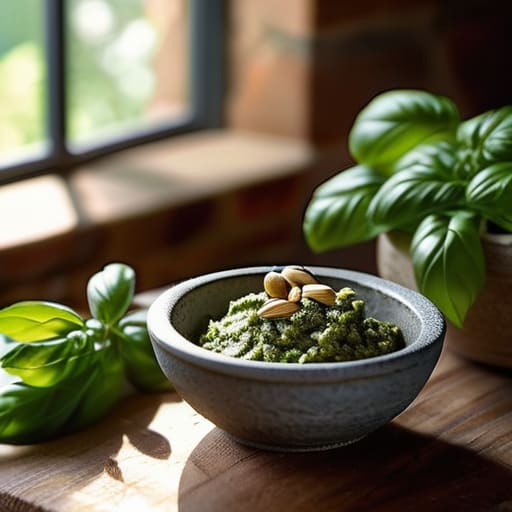
I was sitting at my small kitchen table this morning, watching the light filter through the dust motes, when I realized how much we’ve been lied to about what makes a good sauce. People will tell you that you need a high-speed food processor and a dozen fancy gadgets to achieve perfection, but that’s just noise. In my experience, the best homemade pesto doesn’t come from a machine that whirs at a thousand revolutions per minute; it comes from a steady hand and a bit of patience. When you rush the process, you end up with a bruised, bitter paste rather than a vibrant, living sauce that actually tastes like the garden it came from.
I’m not here to give you a complicated culinary lecture or a list of ingredients you can’t find at a local grocer. Instead, I want to share the simple, rhythmic way I’ve learned to craft this green gold using nothing more than a mortar and pestle and a little bit of intentionality. I’ll show you how to balance those bright, peppery notes without the stress, focusing on the small details that turn a basic meal into something truly worth savoring.
Table of Contents
- Recipe Instructions
- Savoring the Fragrance of Fresh Basil Leaves and Garlic Cloves
- Choosing Your Pace Mortar and Pestle vs Food Processor Pesto Technique
- A Few Small Lessons from My Kitchen Counter
- Small Lessons from a Bowl of Green
- ## A Lesson in Patience
- A Final Spoonful
- Frequently Asked Questions
Recipe Details
Ingredients
- 2 cups fresh basil leaves
- 1/2 cup freshly grated Parmesan cheese
- 1/3 cup pine nuts, lightly toasted
- 3 cloves garlic, peeled
- 1/2 cup extra virgin olive oil
- 1/4 teaspoon salt
- 1/8 teaspoon black pepper
Recipe Instructions
Step 1
I’ve found that if you have a mortar and pestle, you should use it; there is a certain soul in the manual labor that a food processor just can’t replicate. Start by tossing a handful of toasted pine nuts into the bowl and crushing them into a coarse paste, being careful not to turn them into dust.
Step 2
Next, add a generous pile of fresh, washed basil leaves—make sure they are bone dry, or the whole thing will turn into a soggy mess. Use a steady, circular motion to bruise the leaves against the sides of the mortar until they release that bright, peppery aroma that fills the kitchen.
Step 3
Now, it’s time for the garlic. Take a single clove, peeled and smashed, and work it into the basil mixture. You want it to be finely integrated so you don’t end up with a single, overwhelming bite of raw garlic, but rather a subtle warmth that lingers in the background.
Step 4
Slowly begin to drizzle in your best extra virgin olive oil. I like to do this in a very thin, patient stream while continuing to stir with the pestle. You aren’t looking for a liquid; you are looking for a rich, velvety emulsion that holds its shape just enough.
Step 5
Finally, fold in a handful of freshly grated Parmigiano-Reggiano and a pinch of sea salt. Give it one last, gentle turn to combine everything. Don’t worry if it isn’t perfectly smooth; the little textures and imperfections are exactly what make it taste like something a human actually made.
Savoring the Fragrance of Fresh Basil Leaves and Garlic Cloves
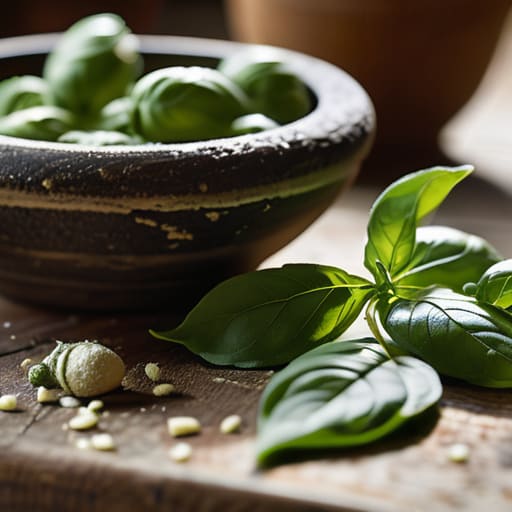
There is a specific kind of magic that happens when you first crack open a bundle of fresh basil leaves. The scent is sharp, peppery, and instantly reminds me of the summer gardens I used to pass during my engineering site visits. When you pair that brightness with the pungent, earthy bite of crushed garlic cloves, you aren’t just making a sauce; you are building a foundation of flavor. I’ve always found that if you take the time to use the mortar and pestle method, you release the essential oils in a way that a blade simply can’t mimic. It requires a bit of patience, but the texture is incomparable.
If you find yourself in a rush, a food processor works just fine, though I always suggest pulsing carefully to avoid turning it into a complete puree. For those navigating allergies, I’ve found that toasted sunflower seeds make for excellent nut-free pesto alternatives without losing that necessary richness. Lastly, if you make a large batch, remember a few simple pesto storage tips: press a thin layer of olive oil over the top of the jar to seal out the air. It keeps the color vibrant and the soul of the herb intact.
Choosing Your Pace Mortar and Pestle vs Food Processor Pesto Technique
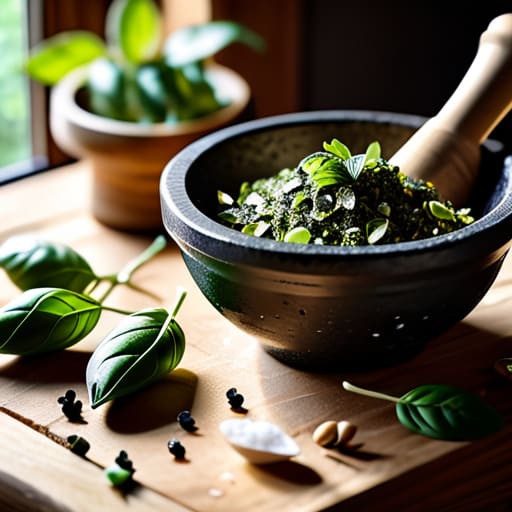
Now, I know what some of you might be thinking—is it really worth the extra elbow grease? If you’re looking for the soul of the sauce, there is truly no substitute for the mortar and pestle method. There’s a certain physics to it that a machine just can’t replicate; you aren’t just chopping ingredients, you are bruising them, releasing those essential oils from the fresh basil leaves and garlic cloves in a way that feels almost primal. It takes a bit longer, certainly, but in my experience, the texture you achieve is far more nuanced and rustic.
That said, I’m a practical man by trade, and I understand that not every afternoon calls for a slow, rhythmic grind. If you’re in a bit of a hurry, the food processor pesto technique is a perfectly fine way to get a meal on the table. Just be careful not to overwork it; you want a bit of texture, not a green puree. If you do go the electronic route, I find it helps to pulse the ingredients in short bursts to keep the heat from the blades from dulling that bright, vibrant color. Whether you choose speed or ceremony, the goal remains the same: to enjoy the process.
A Few Small Lessons from My Kitchen Counter
- Don’t be afraid of a little extra salt; it’s the bridge that carries the brightness of the basil to the richness of the oil.
- If you find your pesto is looking a bit dull, add a tiny squeeze of lemon juice—it wakes up the colors and the flavors just like a brisk morning walk.
- Treat your pine nuts with respect; whether you toast them lightly in a pan or use them raw, they should add texture, not turn into a mushy paste.
- Keep your basil leaves whole and dry before you start; any bit of moisture from washing can turn your vibrant green sauce into something unpleasantly watery.
- Use the best olive oil you can afford, even if it’s just for a simple sauce; it’s the backbone of the whole dish, and you can truly taste the difference in every spoonful.
Small Lessons from a Bowl of Green
Don’t let the pursuit of perfection rob you of the joy; whether you use a mortar or a processor, the real magic is in the first bite and the quiet moment of making it.
Pay attention to the ingredients in your hands—the scent of the basil and the sharpness of the garlic are just as important as the final taste.
Use the kitchen as a place to reset; a simple recipe can be a wonderful way to slow your pace and find a little stillness in a busy day.
## A Lesson in Patience
“You can buy a jar of green sauce at any corner store, but you can’t buy the way the kitchen smells when you’ve taken the time to crush the basil yourself—it’s the difference between merely eating and actually tasting the afternoon.”
Bernard Oyelaran
A Final Spoonful
Whether you found yourself drawn to the meditative rhythm of the mortar and pestle or opted for the modern efficiency of the food processor, the result is the same: a vibrant, living sauce that no jar from a grocery store shelf could ever replicate. We’ve talked about the importance of selecting the brightest basil, the right balance of garlic, and that crucial, slow integration of oil. At the end of the day, it isn’t about achieving a perfect, professional-grade consistency, but rather about the intentionality you bring to the kitchen. It’s about the way the scent of crushed herbs fills your home and reminds you that you are actually, truly present in this moment.
As I sit here at my small wooden table, sketching the way the afternoon light hits my empty pasta bowl, I’m reminded that these small culinary rituals are often the best medicine for a cluttered mind. Making pesto isn’t just a way to dress up a meal; it is a way to reclaim your time from a world that constantly demands you move faster. So, the next time you find yourself rushing through a recipe, I encourage you to pause. Take a breath, smell the basil, and remember that the most delicious things in life are almost always worth the wait.
Frequently Asked Questions
Can I use dried basil instead of fresh, or will that ruin the texture?
I’ll be honest with you: I wouldn’t recommend it. If you’re looking for that vibrant, bright green color and that hit of garden-fresh aroma, dried basil just won’t get you there. It tends to turn the sauce a bit muddy and loses that essential punch. If you’re in a pinch, use it, but for me, the whole point of this ritual is embracing the freshness. Stick with the leaves; it’s worth the extra effort.
How long can I keep a batch of this in the fridge before it loses its brightness?
I’d say you have about four or five days before that vibrant, emerald green begins to fade into something a bit more tired. To keep it tasting its best, I always press a thin layer of olive oil right over the top of the pesto in the jar—it acts like a little seal against the air. It’s a small detail, but it makes a world of difference when you’re pulling a spoonful out mid-week.
Is there a way to keep the pesto from turning that unappetizing shade of brown after I make it?
It’s a bit of a heartbreak, isn’t it? You spend all that time with the basil, only to have it dull into a muddy brown by the next morning. I’ve found that a thin layer of olive oil pressed right against the surface of the pesto acts like a little shield against the air. If you’re storing it in a jar, just pour a bit more oil on top to seal it in. It keeps that vibrant green looking just as bright as when you first finished.
