
I was sitting in a small café in Florence last Tuesday, watching a young man stare intensely at his smartphone while his companion sat across from him, looking like she was waiting for a bus that was never coming. It struck me how much we’ve been sold this lie that staying “connected” means having a thousand digital followers or a constant stream of notifications. We treat social connection importance like it’s some complex algorithm to be mastered or a high-tech networking event to be attended, but that’s just nonsense. Real connection isn’t found in a glowing screen; it’s found in the heavy, comfortable silence between two old friends or the way a stranger’s laugh can brighten a dim room.
I’m not here to give you a lecture on psychological studies or complicated social theories. Instead, I want to share what I’ve learned from thirty years of managing crews on loud construction sites and decades of traveling solo. I’ll be talking about the simple, unvarnished ways we can actually show up for one another. We’re going to look at how a shared meal or a slow walk can do more for your soul than any app ever could.
Table of Contents
Understanding the Heavy Impact of Isolation on Mental Health

I remember a particularly long winter back in Michigan, years ago, when a project delay left me stuck in a small, quiet town for months. At first, the solitude felt like a gift, but after a few weeks, a strange, heavy sort of fog began to settle in. It wasn’t just boredom; it was a profound sense of being untethered. That’s when I truly began to grasp the impact of isolation on mental health. When you stop sharing your thoughts or even just your presence with others, the world starts to feel a bit thinner, as if the colors are slowly draining out of the landscape.
It’s a heavy thing to carry alone. Without those small, daily exchanges—a nod to a neighbor or a chat with the man behind the counter—our minds can become echo chambers for our own anxieties. We often underestimate how much we rely on the importance of human connection to act as an anchor. When that anchor is lifted, we tend to drift into a headspace that is much harder to navigate. It isn’t just about being “lonely”; it’s about the way our internal compass begins to spin when there is no one there to help us find our bearings.
Finding the Psychological Benefits of Social Ties in Small Moments
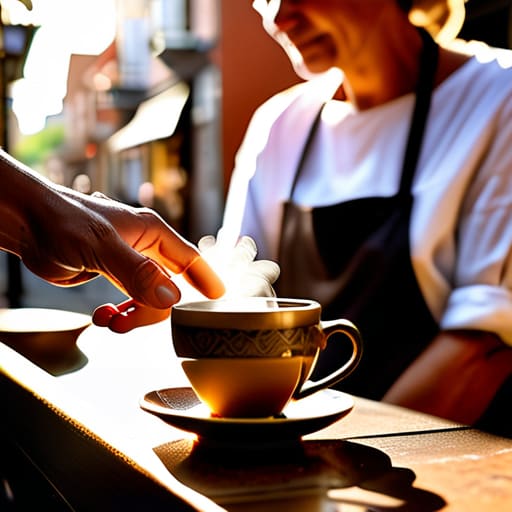
I’ve found that we often look for profound meaning in grand gestures, but the real psychological benefits of social ties usually show up in the smallest, quietest ways. It’s not always about a deep, soul-searching conversation; sometimes, it’s just the nod of recognition from the man who sells me my morning coffee, or the way a neighbor stops to comment on the light hitting the trees. These tiny threads of interaction act like anchors. They remind us that we are part of a larger tapestry, pulling us back from the edge of that heavy loneliness we discussed earlier.
When I’m sitting in a small cafe, sketching in my notebook, I realize that simply being in the presence of others—even without speaking—is a vital part of building meaningful social bonds. There is a subtle, steady comfort in the hum of a shared space. It serves as a gentle, natural way of combating social isolation strategies that often feel too daunting or formal. We don’t always need a grand plan to find our way back to each other; we just need to be willing to look up and notice the people sitting right in front of us.
Small Ways to Keep the Connection Alive
- Don’t wait for a grand occasion to reach out. A simple, five-minute phone call to a cousin or an old colleague just to say “I was thinking of you” carries more weight than you might realize. It’s the small, steady threads that keep the fabric of friendship strong.
- Make a habit of being a “regular” somewhere. Whether it’s that little bakery on the corner or the local library, seeing the same faces week after week creates a sense of belonging that doesn’t require much effort, but provides a lot of comfort.
- Learn the art of the slow meal. Instead of eating a sandwich over your keyboard, pull up a chair. Even if you’re dining alone, do it with intention, or better yet, invite someone to sit across from you. There is a unique kind of magic in the rhythm of shared plates and conversation.
- Put the phone away when you’re actually with people. I’ve noticed that the world feels much more vibrant when I’m looking at the person across from me rather than a glowing screen. Give your full attention; it’s the most sincere gift you can offer.
- Find common ground in the mundane. You don’t need a shared philosophy to connect; sometimes, just discussing the weather, a local garden, or the way the light hits the hills is enough to bridge the gap between two strangers.
A Few Things to Carry With You
Don’t wait for a grand occasion or a big party to seek out company; sometimes, just a twenty-minute chat over a cup of coffee is enough to steady the soul.
Be intentional about showing up for people, even when you feel a bit tired, because those small, consistent gestures are the threads that keep our social fabric from fraying.
Remember that connection doesn’t always require deep, heavy conversations—sometimes, simply sitting in silence with a friend while watching the world go by is the most meaningful connection of all.
The Strength in a Shared Seat
We spend so much of our lives building bridges of steel and concrete, but I’ve learned that the most important connections aren’t made of iron; they’re made in the quiet, unhurried moments when you sit across from someone, share a bit of bread, and realize you aren’t walking this path alone.
Bernard Oyelaran
The View from the Table

Looking back on everything we’ve discussed, it’s clear that connection isn’t some grand, monumental achievement we have to engineer like one of my old bridge projects. It’s much simpler and, frankly, much more fragile than that. We’ve seen how the weight of isolation can pull a person down, but we’ve also seen how the smallest threads—a quick chat with the baker or a shared laugh over a lukewarm cup of coffee—can act as the essential scaffolding for our mental well-being. It isn’t about having a thousand friends or a packed social calendar; it’s about those quiet, meaningful anchors that remind us we aren’t drifting through this life entirely alone.
As I sit here in this little cafe, sketching the way the light hits the cobblestones outside, I’m reminded that the best parts of life are rarely found in solitude. My advice is simple: don’t wait for a special occasion to reach out or to sit a while longer at a neighbor’s table. Life moves fast enough as it is, and if we aren’t careful, we’ll miss the very people who make the journey worth taking. So, slow down just a bit. Reach out, pull up an extra chair, and remember that the most important thing we can build isn’t made of steel or concrete, but of the time we spend truly seeing one another.
Frequently Asked Questions
How can I start reconnecting with people if I've spent years being a bit of a loner?
It’s a bit like cleaning out an old, rusted engine; you don’t just turn the key and expect it to roar. You start small. Don’t feel pressured to join a crowded club right away. Start by simply being present—sit at the same corner café every Tuesday, or strike up a brief word with the person at the hardware store. These tiny, low-stakes interactions build the muscle memory for deeper connection. Just take it one slow step at a time.
Is it possible to feel connected to a community even if I'm traveling solo or living on my own?
It’s a question I’ve asked myself quite a bit since I started these solo treks. You don’t need a crowd to feel part of something. Sometimes, it’s just the nod from the baker who knows your order, or sitting at a communal table in a small café and sketching the room. Connection isn’t always about deep conversation; it’s about those small, shared human rhythms. Even alone, you’re never truly apart from the world if you’re paying attention.
How do you distinguish between meaningful social connection and just being busy with people?
It’s a distinction I’ve had to learn the hard way. Being “busy” is often just noise—a crowded room where everyone is looking at their phones or checking the clock. Meaningful connection, though, feels like the quiet space between the words. It’s when you stop performing and just are. If you leave a conversation feeling drained by the social gymnastics, it was just busyness. If you leave feeling a bit more settled in your own skin, that’s connection.
